
Key boxes banned: what can Airbnb hosts do?
- 1Why are key boxes now banned in so many towns and cities?
- 2Banning key boxes: what does it mean for Airbnb hosts?
- 3What are the alternatives to a key box for Airbnb hosts?
- 4How do you choose the best alternative to a key box?
- 5Optimising your Airbnb listing despite the key box ban
- 6Conclusion: the key box ban is not an ending… it is a transition
- 7Frequently asked questions
For several years now, the humble key box has been one of the symbols of short-term rental. Simple, practical and cheap, it has allowed thousands of Airbnb hosts to offer self-check-in access to their property without having to travel there.
But here is the catch: in many French towns and cities, key boxes have gradually been banned, leaving hosts in a rather… locked-down situation.
So why the ban? What alternatives are there for continuing to welcome your guests without breaking the rules? And how can you stay a relaxed host, even when the law becomes a headache?
Take a breath: we are unlocking all of these questions together, no secret code required.
Why are key boxes now banned in so many towns and cities?

The ban did not come out of nowhere. It stems from a mix of security, planning and sometimes… aesthetic concerns. Here is the breakdown.
A matter of security
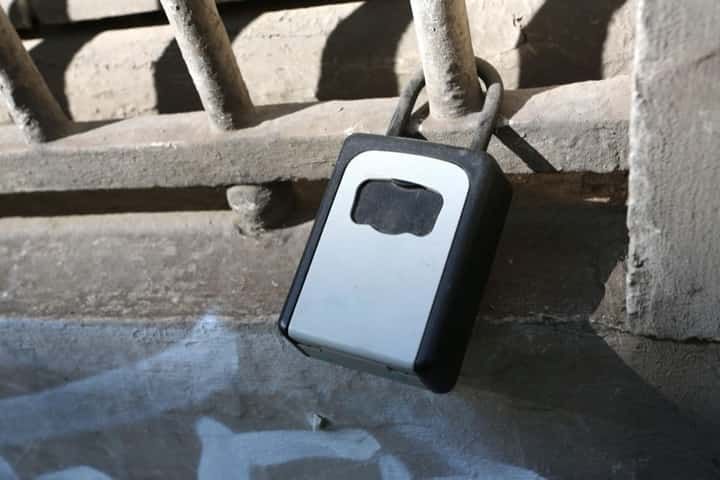
Local authorities have long raised one major issue: key boxes are easy to spot and relatively easy to force open.
When they are attached to a post, in a building entrance or behind an electricity meter, they sometimes attract the attention of people with bad intentions.
The result:
The risk of break-ins goes up, people get into the building without being authorised, and local residents end up feeling unsafe where they live.
For some councils, that was all it took to trigger a ban.
Visual clutter in public spaces
The charm of a period façade rarely sits well with a dozen key boxes lined up on a building's railings like tiny stranded safes.
Some building management companies and councils feel they spoil the surroundings and want to preserve a degree of architectural harmony.
Strict building rules
Even where the council does not ban them, more and more residents' associations are prohibiting key boxes in communal areas.
The reasons:
The reasons given are always the same: liability in the event of theft, compliance with the building's safety rules, and an ever-growing number of uses that nobody controls any more.
If you are a property owner, you already know that the building manager can be tougher than a level 10 padlock.
Pressure linked to short-term rental
Some tourist destinations, exasperated by the sheer number of Airbnb listings, are piling on the restrictions.
Banning key boxes is therefore sometimes an indirect way of regulating holiday rental, by pushing hosts towards more tightly controlled solutions.
Banning key boxes: what does it mean for Airbnb hosts?

For hosts, the ban often means rethinking their entire set-up.
Here are the most common consequences:
The end of simple, low-cost self-check-in
The key box was the ideal way to avoid travelling to the property and paying extra costs.
Losing it means rethinking how you welcome guests, sometimes with a bigger investment.
The risk of fines or disputes with the building
Ignoring the ban can cost you:
Ignoring the ban can cost you a council fine, a penalty from the residents' association, an order to remove the box, and even personal liability if something goes wrong.
A necessary rethink of the guest journey
Guests love self-check-in. Removing the key box without offering a suitable alternative can lead to:
Dissatisfaction shows up in the reviews, your ratings drop, and your property loses competitiveness against the others nearby.
So it is essential to make up for it intelligently.
What are the alternatives to a key box for Airbnb hosts?

Thankfully, banning one solution does not put an end to creativity.
Here are all the reliable, practical and compliant alternatives worth considering.
The smart lock: the modern, secure alternative
The smart lock is winning over more and more owners.
Why?
Your guest gets in with a smartphone or a temporary code, you keep a log of every entry, you change the code between stays, and installation is usually straightforward.
Budget-wise, expect to pay between 150 € and 400 €, but the convenience easily makes up for the outlay.
Perfect for hosts who want to offer self-check-in without breaking the rules.
The indoor key safe (allowed inside the property)
Good news:
The ban usually targets key boxes placed in public spaces or communal areas, but not those installed inside the property.
If you have a private entrance:
- put the key safe behind the door,
- send a secure code to your guest,
- change the code regularly for maximum security.
Ideal for houses or flats with their own entrance.
Property management companies: the premium option
Not keen on handling check-ins, check-outs and the joys of a code that will not work?
Airbnb property management companies take care of everything:
- in-person welcome,
- key management,
- condition report,
- cleaning.
It comes at a cost (between 15% and 25% of your income), but the time saved and the peace of mind can be priceless.
Key drop-off points: a little-known but highly effective alternative
Several companies now offer secure key drop-off stations, accessible 24/7.
These electronic lockers are neither on your façade nor in your building: they are located in partner shops or public venues.
The benefits:
You stay fully compliant, you have no equipment to install, and the guest who turns up late still picks up the keys.
Some hosts swear by this alternative.
An arrangement with a local shop
A simple, warm solution that works for everyone:
teaming up with a local business (café, newsagent, shop, and so on).
The shopkeeper hands the keys over to your guests and receives a small fee, or simply a bit of extra custom.
It is a much-appreciated system in tourist areas.
3.6. In-person check-in (the classic method, still going strong)
Yes, it is still around.
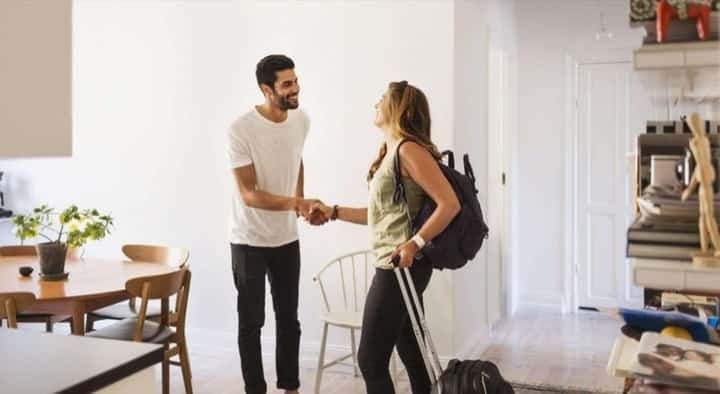
Some hosts still value human contact:
a personalised welcome, local tips, a smile and a few words of greeting.
It does require availability, but it often improves your reviews and your relationship with guests.
To make the call faster, here are the six options side by side, with what each one costs and what it asks of you.
| Alternative | Cost mentioned | What it requires from you |
|---|---|---|
| Smart lock | €150 to €400 | A simple installation, then a code changed between stays |
| Code box inside the property | €30 to €60 | An independent entrance and a code changed regularly |
| Property management service | 15% to 25% of revenue | Nothing: check-in, keys, inventory and cleaning are handled for you |
| Secure key drop-off station | No equipment to install | A guest who stops at a partner shop or public venue, open 24/7 |
| Arrangement with a local shop | A small fee or a purchase | A partner shopkeeper who hands over the keys |
| In-person check-in | Your time | Availability, in exchange for a personal welcome |
How do you choose the best alternative to a key box?

The right choice depends on several factors. Let us take a moment to run through them.
Your type of property
In a flat in a building with strict rules, go for a smart lock or a property management company. In a detached house, an indoor key safe or a smart lock will do. For a bed and breakfast, in-person check-in makes the most sense, otherwise a local shop arrangement.
Your availability
If you are rarely available, you need a self-service solution, either a smart lock or a key drop-off point. If you are available but looking to simplify, an arrangement with a local shop is enough. If you are very available, keep the in-person check-in.
Your budget
On a small budget, an indoor key safe costs 30 € to 60 €. A mid-range budget gets you a smart lock, 150 € to 400 €. A comfortable budget opens the door to premium property management.
Optimising your Airbnb listing despite the key box ban

Your listing can turn a constraint into a selling point.
Highlight easy check-in
For example:
“Self-check-in with a smart lock: arrive at any time of day or night!”
Or:
“Personalised welcome from a passionate host, with local tips and thoughtful touches.”
Every solution can become a marketing argument.
Transparency and clarity
Explain clearly:
- how access works,
- when the guest receives the instructions,
- what they need to have ready.
The more precise your information, the more confident your guests will feel.
Reassurance on security
With no key box outside, emphasise how secure the property is: it puts guests' minds at rest.
Conclusion: the key box ban is not an ending… it is a transition
The ban on key boxes has certainly taken many Airbnb hosts by surprise.
But it has also paved the way for solutions that are more secure, more modern and sometimes more practical.
Whether it is a smart lock, a property management company, an arrangement with a local shop, a key drop-off point or an indoor key safe, every alternative brings real benefits.
The key thing is to comply with the rules while giving your guests a smooth, enjoyable experience.
Frequently asked questions
Are key boxes banned everywhere in France? No. The ban has spread gradually, town by town, and it mainly targets public space and shared areas of buildings. Building rules add another layer: more and more of them forbid key boxes even where the town hall says nothing. Check both before you install anything.
Can I put a code box inside the property? Yes, in most cases, because the ban applies to boxes placed in public space or in shared areas, not to those installed inside the property itself. Fit the box behind the door, send the guest a secure code and change it regularly. This option assumes a private entrance and costs between 30 and 60 €.
What happens if I leave my key box where it is? A municipal fine, a penalty from the building’s owners’ association and an order to remove the box. You may also be held liable if something goes wrong, and that is the part that really matters. The building manager, meanwhile, can prove tougher than any padlock.
How much does a smart lock cost? Budget between 150 and 400 €. The guest gets in with a smartphone or a temporary code, you keep a record of entries and you change the code between stays. Fitting it is straightforward in most cases.
How do I handle check-in when I am never available? Two options work without you: a smart lock, and secure key drop-off stations open around the clock inside partner shops or public venues. An arrangement with a local shop also works, the shopkeeper handing over the keys for a small fee. If you would rather delegate the whole welcome, a property management service takes on arrivals, departures, inventory and cleaning, for 15 to 25 % of your revenue.
Will removing the key box hurt my ratings? Only if you replace it with nothing. Guests value self check-in, and a poorly explained arrival shows up in reviews very quickly. Spell out in your listing how access works, when the guest receives the instructions and what they need to have ready, and the constraint turns into a selling point.
On the same topic