
Running: the new engine of modern tourism
- 1Running tourism: when travel falls into step with your stride
- 2Marathons and trail races: magnets for guests
- 3Running, an ambassador for local areas
- 4A more sustainable, more responsible kind of tourism
- 5Off season, but never out of the race
- 6A particularly appealing type of visitor
- 7Running as a place-marketing tool
- 8The rise of running holidays and experiential tourism
- 9An opportunity for local businesses
- 10What next? Will the future of tourism run on foot?
- 11Conclusion: run to discover, run to keep local areas alive
- 12Frequently asked questions
Once confined to running tracks, city parks and slightly misty Sunday mornings, running has moved into a whole new dimension. Today it travels. It crosses borders, fills hotels, brings town centres to life and turns entire regions into life-size playgrounds. Welcome to the age of running tourism, a fast-growing phenomenon that has both guests and tourism professionals on the move.
Trainers in the suitcase, race number in the backpack, GPS watch on the wrist: running has become a new way of discovering the world. And for destinations, it is a driver of growth that is as sustainable as it is exciting.
Running tourism: when travel falls into step with your stride
Sports tourism is nothing new, but running has set its own tempo. Unlike other disciplines, it is accessible, inexpensive and universal. No complex kit or heavy infrastructure required: a pair of trainers and a landscape will do.
The result? Runners travel to:
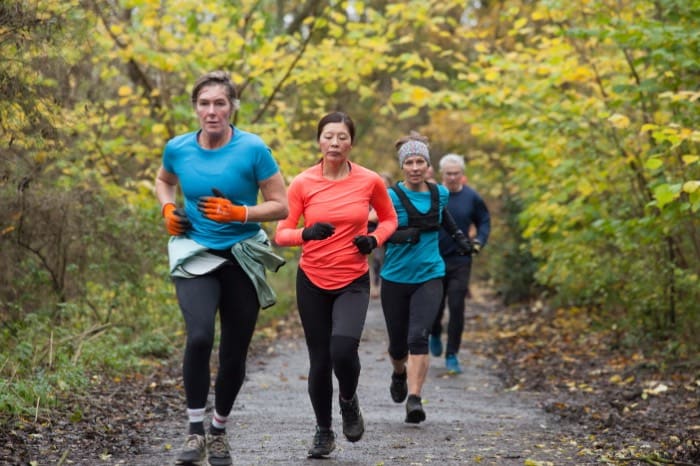
Runners now travel to line up on a marathon or a trail race, to discover an iconic route they had only seen in photos, to train in conditions they do not have at home, or simply to experience a place from the inside, on the run.
Travel is no longer just a destination, it is a route.
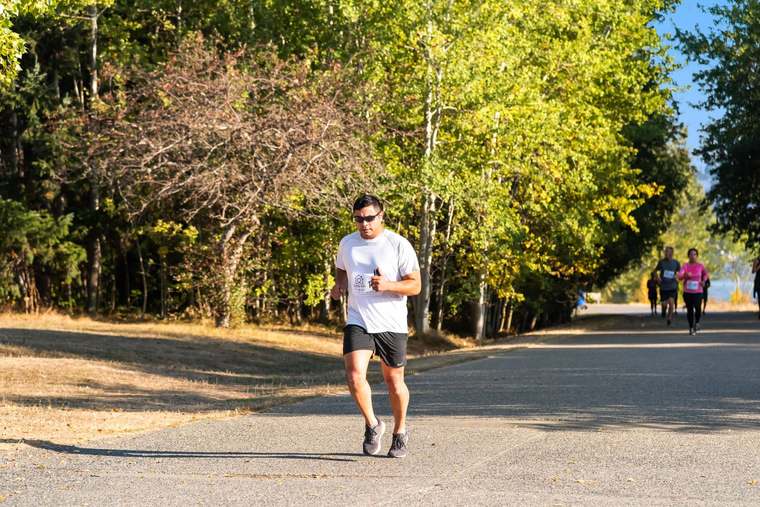
Marathons and trail races: magnets for guests
The big international races have become genuine tourist events. A marathon is no longer just 42.195 km: it is a weekend (or even a week) of discoveries, restaurants, museums… and sometimes some well-earned muscle recovery.
Every event generates:
Every event fills hotel rooms, keeps cafés and restaurants busy, brings income to local shops and gives the destination international media exposure that few campaigns could buy.
And above all, a strong emotional attachment. Because you never see a city the same way once you have run through it, carried along by the crowd and the collective energy.
Running, an ambassador for local areas
Running showcases landscapes, often far better than any tourist brochure. Coastal paths, historic centres, mountains, vineyards, deserts, forests… running reveals a region from a living, sensory angle.
More and more destinations are developing:
- signposted routesfor runners,
- running maps for visitors,
- dedicated local apps,
- guided tours… on the run.
Running becomes an immersive way of discovering a place, at human scale, at the rhythm of your own breathing.
A more sustainable, more responsible kind of tourism
Good news: running tourism ticks almost every box for sustainable tourism.
- Low environmental impact
- Respectful use of natural spaces
- Low-carbon mobility
- Local resources put to good use
Runners often care deeply about protecting the places they pass through. Eco-friendly trail races, zero-waste events, short supply chains for sports nutrition… running is pushing tourism towards better practices.
And here is a bonus worth having: a happy runner is usually a respectful visitor.
Off season, but never out of the race
One of the great strengths of running-related tourism is its ability to even out seasonality. Many events take place in spring or autumn, periods that can be quiet for traditional tourism.
The result:
Hotels fill up outside the peak season, restaurants stay open for longer and tourism jobs become more stable.
When the beach is empty or the ski slopes are closed, the trails stay open. And the runners arrive.
A particularly appealing type of visitor
The running visitor has a profile destinations love:
- they often stay for several days,
- they travel as a couple, in a group or with family,
- they spend locally,
- they come back… or recommend the place.
They are also connected guests, very active on social media. Every race becomes shared content, every destination a free (and rather sweaty) digital shop window.

Running as a place-marketing tool
Local authorities have grasped it: running is a powerful tool for place storytelling. A race tells a story:
It tells the story of an area, of its residents, of the heritage they look after and of the values they stand for.
Organising or hosting a running event means linking your image to health, effort, good company and pushing your limits. In other words: to some very positive values.
The rise of running holidays and experiential tourism
Beyond competitions, the market for running holidays is booming:
There are training camps, retreats that mix sport and wellbeing, trail-running trips, and even running and food breaks. Yes, they exist, and they are wonderful.
These experiences combine sport, cultural discovery and sheer enjoyment. Because running in the morning and eating well in the evening is a form of balance many people appreciate.
An opportunity for local businesses
Accommodation providers, tourist offices, guides, restaurant owners, sports coaches… running creates local synergies. It encourages public and private players to work together on a shared project: getting the whole area running.
Even small villages can become attractive running destinations, provided they have:
They need beautiful routes, a warm welcome and, ideally, a good feed station.
Not every destination can host a marathon, and it doesn’t need to: here is what each form of running tourism asks of a place, and what it gives back.
| Type of running tourism | What the destination has to provide | What it gets in return |
|---|---|---|
| Major international race (marathon, 42.195 km) | Staging the event itself | Full hotels, busy town-centre shops, international media coverage |
| Eco-friendly trail, zero-waste event | Short supply chains for sports nutrition | Low environmental impact, local resources put to use |
| Waymarked routes and running maps for visitors | Signage, no heavy infrastructure | Runners without having to organise a race |
| Local app or guided tour on the run | Someone on the ground to lead it | A place discovered from the inside, at human pace |
| Training camp, sport and wellbeing retreat | Training conditions runners don’t have at home | Stays of several days, a visitor who spends locally |
| Running and food trip | Restaurant owners on board | Running in the morning, dining at night: local players working together |
| Small village with ambitions | Fine routes, a warm welcome, a good aid station | Becoming an attractive running destination |
What next? Will the future of tourism run on foot?
Everything suggests the trend will keep growing. The search for meaning, wellbeing, authenticity and sustainability is pushing guests towards active, immersive experiences.
Running is no longer just a sport. It is:
It has become a universal language, a way of bringing people together, an economic driver and a way of revealing places.
In short, a major ally for the tourism of tomorrow.
Conclusion: run to discover, run to keep local areas alive
Running has pulled off quite a feat: turning effort into travel pleasure. It invites us to slow down while moving forward, to discover differently, to travel more mindfully.
So yes, tourism has found a new engine.
It makes no noise.
It runs on human energy.
And it needs just one thing to get started: a good pair of trainers.
Frequently asked questions
What exactly is running tourism? It means travelling in order to run, or running in order to discover a place. The sport is accessible, cheap and universal: a pair of trainers and a landscape are enough, with no heavy infrastructure needed. Runners set off for a race number, for a famous route they have never covered, to train in conditions they do not have at home, or simply to experience a place from the inside.
Does a marathon really bring anything to the host city? Yes, and not only on race day. The event fills hotel rooms, keeps restaurants busy, feeds town centre shops and delivers international media exposure that few campaigns can buy. It also creates lasting attachment: you never look at a city the same way once you have run through it.
Can running fill my property out of season? That is one of its strongest points. Many events take place in spring or autumn, periods that can be quiet for traditional tourism, which smooths out seasonality, keeps restaurants open longer and stabilises tourism jobs. When the beach is empty and the ski slopes are closed, the trails stay open.
Do I need to organise a race to attract runners? No. More and more destinations simply offer waymarked routes, running maps for visitors, dedicated local apps or guided tours on the move. Even a small village can become attractive: it needs good routes, a warm welcome and, ideally, a decent refuelling stop. This may be the only kind of visitor who asks for no infrastructure, only for directions.
Is running tourism really more sustainable? It ticks nearly every box: low environmental impact, soft mobility, respectful use of natural areas and value given to local resources. Runners tend to care about the places they cross, which pushes organisers towards eco friendly trail races, zero waste events and short supply chains for sports nutrition.
On the same topic