

Tourism in France: the 2025 review
- 1French tourism in 2025, between heritage and transformation
- 2Key figures for tourism in France in 2025
- 3The positives in the 2025 tourism review
- 4The negatives and the challenges that persist
- 5The major changes of note in 2025
- 6Conclusion: French tourism, resilient and changing
- 7Frequently asked questions
In 2025, France proved once again that it remains the undisputed queen of world tourism… though not without a few cold sweats and some major changes in guests' suitcases.
French tourism in 2025, between heritage and transformation
Ah, France. Its pavement cafés, its beaches, its mountains, its listed villages and its world-famous museums. In 2025, French tourism had a year as intense as a summer on the Côte d'Azur. After years of post-crisis recovery and the boost provided by major international events, the tourism sector is confirming its strength while entering a new era.
This 2025 tourism review for France highlights visitor numbers that remain high, changing guest behaviour, an ecological transition that has become unavoidable, and a few structural challenges that persist. In short, a rich, mixed and at times rather demanding year.
Key figures for tourism in France in 2025
Let's start with what always makes industry professionals' eyes light up: the figures. In 2025, France remains the world's leading tourist destination in terms of international visitors, with numbers slightly up on 2024.
An overall rise in visitor numbers, driven by European, North American and Asian visitors.
A marked return of long-haul markets, particularly from Japan, South Korea and Canada.
An increase in tourist spending, despite guests keeping a closer eye on their budgets.
Tourists may be travelling more shrewdly, but they are still travelling just as much. And for the French economy, that is rather good news.
The positives in the 2025 tourism review
A diversification of destinations that has finally worked
Good news: Paris is no longer wearing the crown alone. In 2025, many regions are making the most of the appetite for travel. Brittany, Occitanie, the Jura, the Ardèche and the Hauts-de-France are all posting excellent performances.
Guests are now looking for: less crowded destinations; a slower and more authentic kind of tourism; local experiences (food, craftsmanship, nature).
The result: rural areas and mid-sized towns are doing rather well, much to the relief of their residents… and their car parks.
Sustainable tourism moves from trend to standard
In 2025, sustainable tourism is no longer just a marketing angle. It has become a genuine deciding factor for a large share of guests. Eco-friendly accommodation, low-impact transport, short supply chains, environmental labels: it all counts.
More and more visitors are choosing the train over the plane for travel within the country, opting for longer stays and seeking to reduce their environmental impact. A slow but deep-seated shift that is reshaping the French tourism offer.
Experiential tourism is booming
Gone are the days of “take a photo and move on”. In 2025, tourists want to live France. Cooking workshops, hands-on grape harvests, guided walks, quirky overnight stays, craft courses… the experience has become the heart of the trip.
This shift towards experiential tourism brings: a better spread of revenue, greater value placed on local craftsmanship, and a stronger connection between visitors and residents.
The negatives and the challenges that persist
Overcrowding remains a problem
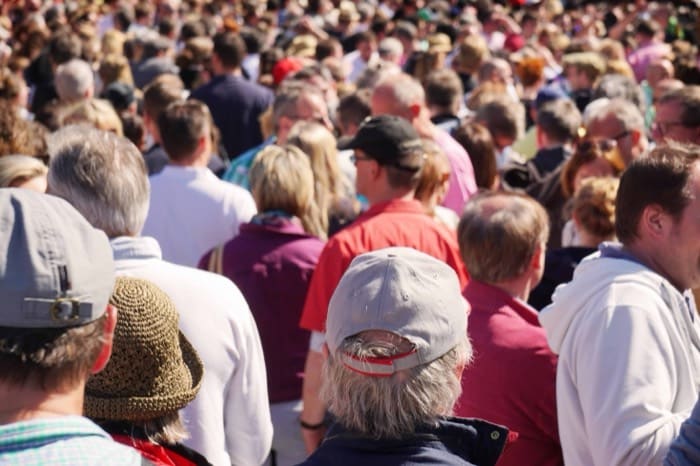
Despite regulatory efforts, some destinations continue to suffer from overtourism. Paris, Mont-Saint-Michel, parts of the Côte d’Azur and even the Marseille Calanques remain under heavy pressure.
The consequences are well known: tension with residents, wear and tear on infrastructure, and environmental damage.
Managing visitor flows therefore remains one of the major tasks ahead for French tourism.
Professionals under pressure
While the tourists are certainly there, the sector's professionals are sometimes struggling to keep up. In 2025, recruitment difficulties persist in hospitality and in seasonal roles.
Demanding hours, labour shortages, rising energy costs: the mix is sometimes a bitter one. Many tourism businesses are having to innovate to retain their teams and improve working conditions.
An economic climate that weighs on budgets
Inflation, budget trade-offs, rising transport costs: guests remain careful about their spending. This translates into: shorter stays, the growing popularity of peer-to-peer rentals, and more thorough comparison of offers online.
Tourism is in good health, but it has to deal with more demanding and better-informed customers.
Here is, topic by topic, what 2025 moved forward and what is still holding back.
| Topic | What improved in 2025 | What is still stuck |
|---|---|---|
| International visitor numbers | Still the world’s leading destination, slightly up on 2024 | Overcrowding in Paris, at Mont-Saint-Michel, on the Côte d’Azur and in the Marseille calanques |
| Spread across the country | Strong results in Brittany, Occitanie, the Jura, the Ardèche and Hauts-de-France | Friction with residents and worn-out infrastructure at saturated sites |
| Traveller budgets | Tourism spending on the rise | Shorter stays, offers compared online before booking |
| Sustainable tourism | Now a genuine decision criterion, including labels and low-carbon transport | A slow shift, driven by only part of the travelling public |
| Expectations during the stay | Experience at the heart of the trip: workshops, grape harvests, unusual stays | More demanding and better informed guests |
| Tourism jobs | Businesses innovating to keep their teams | Hiring still hard in hotels and restaurants, energy costs rising |
The major changes of note in 2025
The accelerated digitalisation of the visitor experience
Bookings, recommendations, guided tours, instant translation: in 2025, digital is everywhere. Artificial intelligence, local apps and augmented reality tools are enriching the visitor experience.
Tourist information offices are reinventing themselves, becoming genuine hubs of experiences and personalised advice, often available online 24/7.
The return of smart domestic tourism
The French are still holidaying in France, but differently. Less improvisation, more planning, and a real search for meaning. “Slow tourism” and micro-adventures appeal particularly to families and young professionals.
Some destinations move upmarket
Finally, 2025 also marks a deliberate move upmarket for some tourism offers. Premium accommodation, exclusive experiences, wellness tourism and responsible luxury are all gaining ground.
France is therefore playing on several fronts: accessible, authentic, but also high-end when required.
Conclusion: French tourism, resilient and changing
The 2025 tourism review for France is broadly very positive, while also revealing deep-seated transformations. More responsible, more experiential, more evenly spread across the country, French tourism is moving with the times.
Plenty of challenges remain, but the sector's ability to adapt, the wealth of its regions and the French art of living continue to win over the whole world. And let's be honest: between an early morning croissant and a sunset over the Atlantic, France still has some very fine arguments in its favour.
Frequently asked questions
Is France still the world’s leading tourist destination? Yes. In 2025 it remains number one worldwide for international visitor numbers, with attendance slightly up on 2024. The growth comes from European, North American and Asian markets, with a clear return of long-haul travellers from Japan, South Korea and Canada.
Is French tourism still concentrated on Paris? Less than before. Brittany, Occitanie, the Jura, the Ardèche and Hauts-de-France all posted strong figures in 2025. Travellers are looking for less crowded destinations, a slower pace and local experiences, which benefits rural areas and mid-sized towns.
Are travellers spending more or less than before? Tourist spending is rising, but so is budget vigilance. In practice, stays are getting shorter, peer-to-peer rentals are gaining ground and offers are compared online before booking. Your guests do spend, but they know exactly what they are buying.
Does sustainable tourism really affect bookings? Yes. It has moved from marketing argument to genuine selection criterion for a large share of travellers. Eco-friendly accommodation, soft mobility, short supply chains and environmental labels now weigh on the decision. Some visitors choose the train over the plane for domestic legs and stay longer.
Which issues remained unchanged in 2025 ? Overtourism first : Paris, Mont-Saint-Michel, parts of the Côte d’Azur and the Marseille Calanques remain under heavy pressure, with tensions with local residents and ageing infrastructure. Then recruitment, still difficult in hospitality and seasonal jobs, compounded by rising energy costs.
What do travellers want beyond a place to sleep? Experience. Cooking workshops, taking part in the grape harvest, guided hikes, unusual overnight stays, craft courses: the trip is built around what you actually do. Digital tools follow the same move, from recommendations to instant translation, and tourist offices are turning into advice hubs available online at any hour.
On the same topic