
Airbnb is fuelling food tourism: when travelling means eating brilliantly
- 1Food tourism: far more than a passing trend
- 2Airbnb: a key player in food tourism
- 3The most sought-after regions for food on Airbnb
- 4Local drinks: a major asset for food tourism
- 5Airbnb and sustainable food tourism
- 6Conclusion: Airbnb, the ideal companion for food-loving guests
- 7Frequently asked questions
Travelling means discovering new horizons, immersing yourself in a culture… and, let's be honest, eating like royalty.
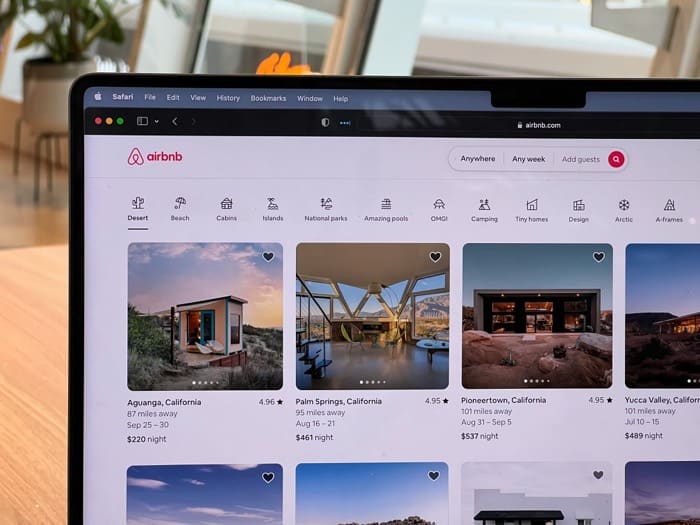
Today, food tourism has become a key driver of the travel industry. And among the players who sniffed out this trend early (and not just the aroma of a slow-cooked stew), Airbnb holds a prime position.
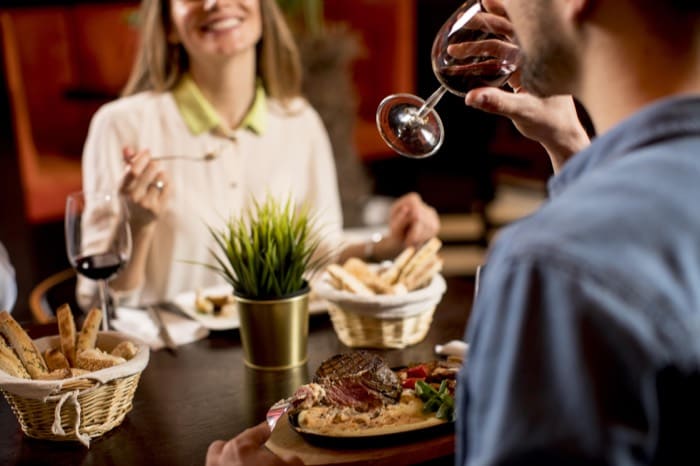
By shining a light on regions known for their food and local drinks, Airbnb turns every stay into a genuine culinary experience. From a home-made breakfast using produce from the local market to a glass of wine enjoyed at sunset, the trip becomes a feast. Let's look at how Airbnb is fuelling food tourism, which regions attract the most food lovers and how the platform promotes this kind of travel with real subtlety.
Food tourism: far more than a passing trend

Food tourism is no longer just about booking a table at a Michelin-starred restaurant. Today's guests want to understand what they are eating, where the ingredients come from and who is behind the recipes. In short, they want a story on their plate.
This kind of travel rests on several pillars: discovering local produce, meeting the growers and makers, joining cookery workshops and, of course, tasting. And that is exactly where Airbnb comes in, offering far more than standardised accommodation.
Thanks to its one-of-a-kind properties and its local experiences, Airbnb lets guests enjoy food the way a resident would, rather than as a tourist simply passing through.
Airbnb: a key player in food tourism
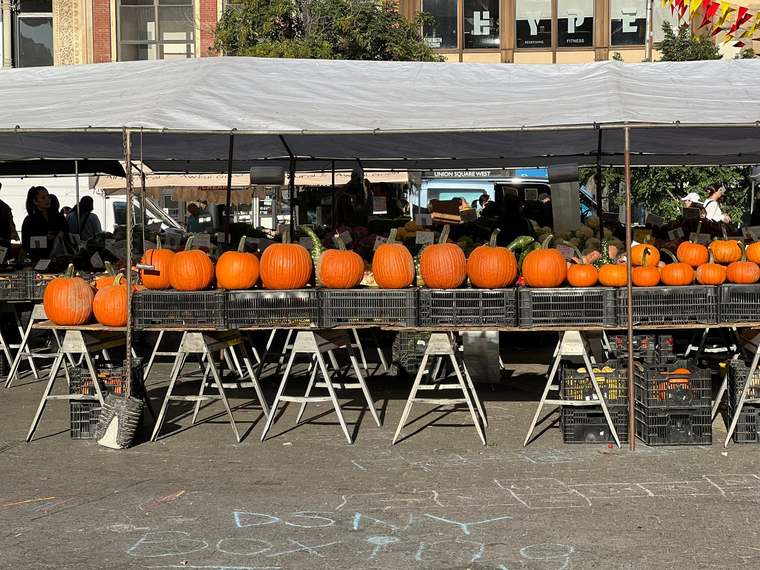
With a presence in thousands of destinations worldwide, Airbnb is a natural enabler of food tourism. By choosing to stay in someone's home, guests gain access to genuine recommendations: the best baker in the neighbourhood, the little wine cellar only locals know about, or the market where you can stock up on fresh produce.
Airbnb also showcases culinary experiences directly on its platform: cookery classes, wine tastings, visits to farms or craft breweries. These experiences allow visitors to connect deeply with the local food culture while creating memories that last (and occasionally adding a few pounds, but that is part of the trip).
The most sought-after regions for food on Airbnb
France: the essential destination for food lovers
Unsurprisingly, France tops the list of the most sought-after destinations for food tourism on Airbnb. Every region has its own specialities, and guests love exploring that culinary diversity.
Burgundy wins people over with its prestigious wines and generous cooking, while the South West gets mouths watering with foie gras, duck confit and Bordeaux wines. In Provence, olive oil, aromatic herbs and colourful markets draw fans of Mediterranean cooking.
Airbnb lists plenty of properties close to vineyards, farms and local markets, encouraging complete immersion in the region's food culture.
Italy: simplicity, flavour and good company
Italy is another star of food tourism. On Airbnb, regions such as Tuscany, Sicily and Emilia-Romagna are particularly popular. Fresh pasta, cheeses, cured meats and local wines make for a culinary experience that is as simple as it is delicious.
Guests appreciate properties with a kitchen, ideal for cooking dishes with ingredients bought straight from local producers. Airbnb thus encourages a hands-on approach to food, where everyone becomes a chef for the duration of their stay.
Spain: tapas, wine and the art of living well
In Spain, food tourism is all about sociability. Regions such as Catalonia, the Basque Country and Andalusia attract lovers of tapas, seafood and local wines.
Thanks to Airbnb, visitors discover authentic neighbourhoods well away from the usual tourist trail, and can rely on local recommendations to sample the finest specialities… often standing at a lively bar.
Belgium, Germany and northern Europe: beer and tradition
Food tourism is not limited to the great Mediterranean cuisines. In Belgium, craft beers and chocolate attract curious guests. In Germany, regions such as Bavaria win people over with their beers and traditional cooking.
Airbnb highlights properties close to craft breweries and offers tasting experiences that delight anyone with a soft spot for hops.
Five countries come up again and again among food-loving travellers, each with its signature regions and its own way of experiencing a stay.
| Destination | What draws food lovers | What Airbnb highlights |
|---|---|---|
| France | Burgundy and its wines, the South-West and its foie gras, Provence and its olive oil | Homes close to vineyards, farms and local markets |
| Italy | Tuscany, Sicily, Emilia-Romagna: fresh pasta, cheeses, cured meats, local wines | Homes with a kitchen, to cook produce bought straight from the grower |
| Spain | Catalonia, the Basque Country, Andalusia: tapas, seafood, local wines | Genuine neighbourhoods and local tips, away from the usual tourist trails |
| Belgium | Craft beers and chocolate | Homes close to craft breweries |
| Germany | Bavaria: beers and traditional cooking | Tasting experiences for hop lovers |
Local drinks: a major asset for food tourism
Wines, beers, spirits or traditional drinks: local beverages play a key role in food tourism. Airbnb celebrates this craftsmanship with experiences dedicated to tasting and to discovering how everything is made.
From French vineyards to Italian cellars, by way of Scottish distilleries and craft breweries, the platform allows guests to meet producers and understand the story behind every glass.

Airbnb and sustainable food tourism
Airbnb is also part of a wider move towards sustainable tourism. By favouring short supply chains and local producers, the platform contributes to more responsible consumption. Guests are encouraged to buy local, cook where they stay and cut down on food waste.
This approach appeals to a growing number of visitors who care about the impact of their travels and want to combine good eating with respect for the environment.
Conclusion: Airbnb, the ideal companion for food-loving guests
By putting the spotlight on the regions most sought after for their food and drink, Airbnb plays a key role in the rise of food tourism. With authentic properties, immersive culinary experiences and genuine recognition of local know-how, the platform turns every trip into an unforgettable gastronomic adventure.
So whether you are a wine buff, a keen cook or simply curious to taste the world, Airbnb opens the door to a kind of travel where discovery also happens on the plate. And as the saying goes: travelling is good… but travelling and eating well is even better.
Frequently asked questions
What is food tourism? It is no longer just booking a table at a starred restaurant. Travellers want to understand what they are eating, where the produce comes from and who is behind the recipes. Food tourism rests on discovering local produce, meeting the producers, joining cooking workshops and, of course, tasting.
Why does Airbnb appeal to food lovers? Staying with a local host gives you genuine recommendations: the best baker in the street, the small wine cellar only locals know about, the market where the produce is actually fresh. The platform also showcases culinary experiences, from cooking classes and wine tastings to farm and craft brewery visits. You experience the food culture as a resident rather than as a passing visitor.
Which regions are the most searched for their food? France leads the way: Burgundy for its wines, the South West for foie gras and duck confit, Provence for olive oil and its colourful markets. Italy follows closely with Tuscany, Sicily and Emilia-Romagna. In Spain, Catalonia, the Basque Country and Andalusia draw travellers who come for tapas and seafood.
Do I need a place with a kitchen for a food trip? Many travellers in Italy look for exactly that: a proper kitchen to cook dishes with ingredients bought straight from local producers. The point is not to save the price of a restaurant, it is to get your hands on the local produce. Everyone becomes a chef for the length of a stay.
Do local drinks matter as much as the food? Wines, craft beers, spirits and traditional drinks sit right at the centre of this kind of trip. Airbnb offers experiences built around tasting and around how things are made, from French vineyards to Italian cellars, Scottish distilleries to Belgian and Bavarian breweries. The idea is to meet the maker and understand the story behind the glass.
Can food tourism be sustainable? By favouring short supply chains and local producers, this kind of stay encourages a different way of consuming. Buying local, cooking on site and cutting food waste are part of the approach. That is what appeals to travellers who pay attention to the impact of their trips.
On the same topic