


Heating savings: tips for your property
Winter is here, and with it the dread of watching your heating bill soar. But don't panic! There are plenty of tips for cutting your heating consumption while keeping your home a snug little nest. Here are a few pointers to get through winter without shivering.
Improve your home's insulation
Why heat the great outdoors? Poor insulation is the number one cause of heat loss in a home. A badly insulated property can lose up to 30% of its heat through the roof, and walls and windows aren't far behind.
- Invest in thick curtains: Thermal curtains help keep the heat in the room. And they add a cosy touch to your décor into the bargain!
- Seal up your windows: If they aren't recent, consider adding insulating strips. This cuts draughts and improves airtightness.
- Lay rugs on the floor: As well as feeling lovely underfoot, they insulate against cold floors.
Looking for a long-lasting solution? Consider having your walls or loft insulated. Yes, it's an investment, but the long-term savings are well worth it!
Set the right temperature indoors
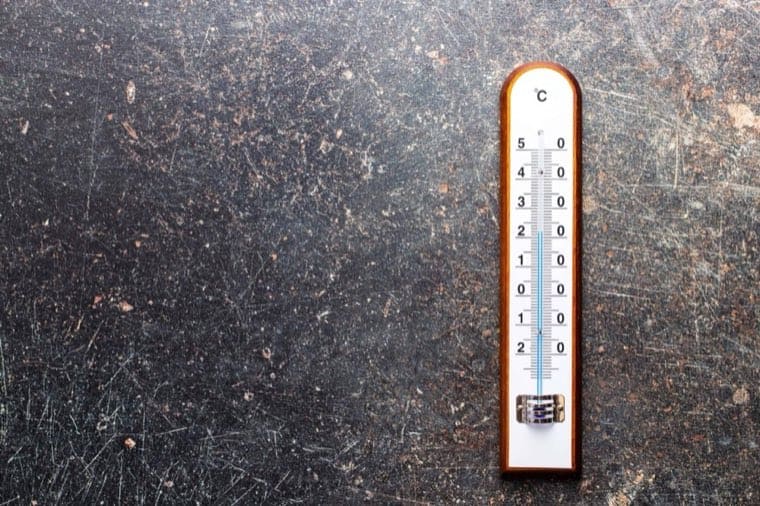
It's tempting to turn your living room into a sauna, but every extra degree pushes your energy consumption up by 7%. Here are a few simple pieces of advice:
Aim for 19 °C in living areas and 17 °C in bedrooms. That is cool enough to sleep well without waking up frozen stiff. At night, go lower still. A heating programmer does the job for you and adapts the warmth to each moment of the day.
A little bonus: pull on a woolly jumper! It looks good and helps you hold on to your body heat.
Maintain your heating equipment

A well-maintained heating system uses less energy and heats better. So don't skip these steps:
- Bleed your radiators: Trapped air reduces their efficiency. A quick bleed allows heat to spread more evenly.
- Clean your appliances: A dusty radiator heats less well. Take a few minutes to dust them regularly.
- Have your boiler serviced: An annual service is compulsory (and sensible!) to keep it running at its best and extend its lifespan.
Make the most of free heat

Free heat? It really does exist, and you've almost certainly got some at home!
Even winter sunshine is a natural source of heat. Open the curtains during the day to let the rays in, then close curtains and shutters as soon as the sun goes down. The warmth you have built up stays in the room. Your appliances heat too, when you cook as much as when a laptop is running. Let that heat work for your rooms.
Try innovative solutions

Technology can help you bring your bills down!
On the equipment side, a smart thermostat can be controlled remotely and sets the temperature to suit your routine. Reflector panels fitted behind the radiators bounce the heat back into the room instead of letting it escape through the walls.
And why not consider a greener heating solution, such as a heat pump? You'll save money in the long run while looking after the planet.
Adopt small habits that make a difference
Everyday habits count just as much as the big solutions.
- Close the doors: Stop heat drifting away by closing the doors of rooms you aren't using.
- Dress warmly: It can't be said often enough: a good jumper, thick socks and a snuggly blanket work wonders.
- Use a draught excluder: Simple and effective, it stops cold air creeping in under your doors.
By following these tips, you'll not only cut your heating consumption but also lighten your bill. As a bonus, you'll be doing your bit for the environment by reducing your CO₂ emissions.
So, ready to put these solutions in place? Remember that saving on heating also means adopting smart habits that benefit your comfort, your wallet and the planet. And if you're after more tips for improving your home, have a read of our article on paint tricks to brighten up your interior!
Here is an at-a-glance recap of every lever covered above, from the most structural to the quickest.
| Action | What it targets | What the article says |
|---|---|---|
| Insulate the roof, walls or loft | Heat loss through the building | Up to 30% of the heat escapes through the roof |
| Thick curtains, window seals, rugs | Draughts and cold floors | The stopgap while you plan real insulation |
| Heat to 19°C, 17°C in bedrooms | The temperature setting | Each extra degree adds 7% to your consumption |
| Bleed and dust the radiators | Radiator efficiency | A few minutes, and the heat spreads properly again |
| Have the boiler serviced | Efficiency and lifespan | The annual service is compulsory |
| Open then close curtains and shutters | Free heat from the sun | Open during the day, closed as soon as it sets |
| Smart thermostat, reflector panels | Control and heat recovery | Settings follow your habits, heat goes back into the room |
| Draught excluder, closed doors, warm jumper | Cold draughts and heat spreading thin | A few euros, done the same day |
Frequently asked questions
What temperature should each room be heated to? Aim for 19°C in living areas and 17°C in bedrooms. At night, go lower still: you sleep better in a cool room and you still wake up warm. Every extra degree raises your energy consumption by 7%, which shows up quickly on the bill. A heating programmer handles the settings for you throughout the day.
Where does the heat escape in a poorly insulated home? Through the roof first: a poorly insulated home can lose up to 30% of its heat that way. Walls and windows do the rest. Until you insulate the walls or the loft, thick curtains, seals on older windows and rugs on cold floors keep some of that heat indoors.
Is the annual boiler service really compulsory? Yes, the yearly service is compulsory. It keeps the appliance running efficiently and extends its life, so it pays for itself. A well maintained boiler burns less and heats better, which is never true of one left untouched for three winters.
My radiator barely heats, what should I try before calling someone? Bleed it: trapped air reduces its efficiency, and bleeding restores proper heat distribution. Then dust it, because a dirty radiator heats less well. Both jobs take a few minutes and often solve the problem.
Should I open or close the shutters in winter? Both, depending on the time of day. Open curtains and shutters during the day to let in the winter sun, which still warms the room. Close them as soon as it sets, so the heat you gained stays inside instead of leaving through the glass.
Do small anti draught accessories actually make a difference? Yes, as long as you combine them. A draught excluder blocks the cold air coming under the doors, reflective panels behind the radiators send heat back into the room instead of into the wall, and closing the doors of unused rooms stops you heating empty space. None of this replaces proper insulation, but it costs a few euros and can be done the same day.
On the same topic