
Saving water: the goal every hotel should set
Swapping homes means discovering a certain authenticity, a smaller accommodation budget and a whole new way of making memories.
Picture yourself in a hotel: the gentle sound of water running in the shower, lush sun-drenched gardens watered at regular intervals. It all sounds idyllic, doesn't it? But behind this picture of hotel paradise lies a reality that is often overlooked: water consumption. While offering comfort and relaxation to their guests, hotels have a significant impact on water resources. The good news, however, is that hotels can save water while preserving the experience they offer their guests.
Water-friendly fittings

Start the day on the right foot by adopting water-saving habits from your morning shower onwards! Low-flow shower heads are the hotel industry's best-kept secret. They cut water use without sacrificing pressure, giving you a shower that is as invigorating as it is economical. And if you are the sort to take your time under the water, why not challenge your travelling companions to a fastest-soaping contest? A little friendly competition can turn a daily routine into a fun, eco-friendly game!
You can also fit low-flow taps in the bathrooms to limit waste while guests brush their teeth or wash their hands. These small adjustments may seem insignificant, but they quickly add up to a positive impact on your property's overall water consumption.
Green spaces better suited to their environment

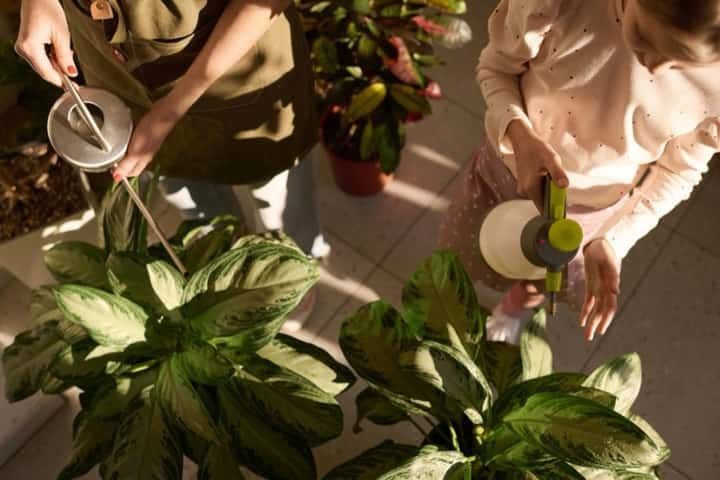
Green spaces are an essential part of a hotel's charm, but they can also be heavy water consumers. Why not opt for native plants that thrive naturally in your region? They need less maintenance and less irrigation, which reduces water consumption while adding a local, authentic touch to your setting. It is also worth collecting rainwater to water your gardens. It's free, it's green and your plants will love it!
The magic of recycling

Hotels can put water recycling systems in place. Grey water, from basins and showers for example, can be treated and used for irrigation or even for toilet flushing. It's a great way to make the most of every single drop, turning waste into a valuable resource. It also leaves a positive impression on your guests, showing that you are committed to protecting the environment.
Before going further, here are the four levers from this article and what each one actually changes.
| Lever | Concrete action | What it changes |
|---|---|---|
| Bathroom fixtures | Low-flow showerheads and taps | Less water used, same water pressure |
| Green spaces | Native plants and collected rainwater | Less irrigation, a local and authentic garden |
| Greywater recycling | Treating water from sinks and showers | Reuse for irrigation or toilet flushing |
| Guest involvement | In-room note and eco-friendly rewards | Shorter showers, reused towels |
Getting guests involved

Bring your guests into your water-saving efforts! A simple note in the rooms encourages them to reuse their towels and take shorter showers. You can also motivate them by offering rewards or perks to those who choose eco-friendly options, prompting them to play an active part in making their stay more sustainable. Everybody wins! At a time when saving water has become crucial, real savings are within reach, and without any impact on the quality of your service! As you have seen, all it takes is a few small adjustments that anyone can make.
Do take a look at our article on how to reduce a hotel's electricity consumption
Frequently asked questions
Do low-flow showerheads ruin the guest's shower? No, that is exactly their advantage: they cut the volume of water without sacrificing pressure. The guest still gets a bracing shower and the property uses less. It is the easiest fitting to swap in a bathroom.
Where do you start when you do not want to open a building site? Start at the taps. Reduced-flow taps in the bathrooms limit waste while guests brush their teeth or wash their hands. Taken one by one these adjustments look tiny, but across a whole property they add up fast.
Can hotel greywater really be reused? Yes. Greywater from basins and showers can be treated and then used for irrigation or for toilet flushing. Every drop serves twice, and guests read it as a concrete environmental commitment.
How do you water the grounds without pushing consumption up? Choose native plants that grow naturally in your region and need less care and less irrigation. Collecting rainwater rounds it off nicely: it costs nothing and suits your planting perfectly. The garden keeps its local character and the bill goes down.
How do you involve guests without lecturing them? A discreet note in the room is often enough: it invites guests to reuse their towels and keep showers short. You can go further by offering a perk or a reward to guests who pick the eco-friendly options. The effort then becomes a choice rather than a constraint.
On the same topic