

Eco-Friendly Tips for Reducing Waste in Hotels
Reducing waste in hotels is not only an environmental necessity, it is also an opportunity to improve the guest experience while cutting costs.
So how can hotels reduce their waste while running more smoothly and appealing to eco-conscious guests? Read on for practical, effective and sometimes even entertaining solutions.
Understanding the Impact of Hotel Waste

Before diving into the solutions, let us look at the problem. Every year, hotels generate mountains of waste, from mini shampoos to enormous buffets. The first step towards cutting that waste is grasping its sheer volume and its impact. And yes, every little bar of soap counts.
Why Reduce Waste?
- Savings: less waste means lower handling and disposal costs.
- Brand image: a green hotel attracts environmentally aware guests.
- Social responsibility: protecting the planet is worth it, surely?
Strategies for Cutting Down on Packaging

Packaging accounts for a large share of hotel waste. Here is how to reduce it:
Switch to Refillable Dispensers
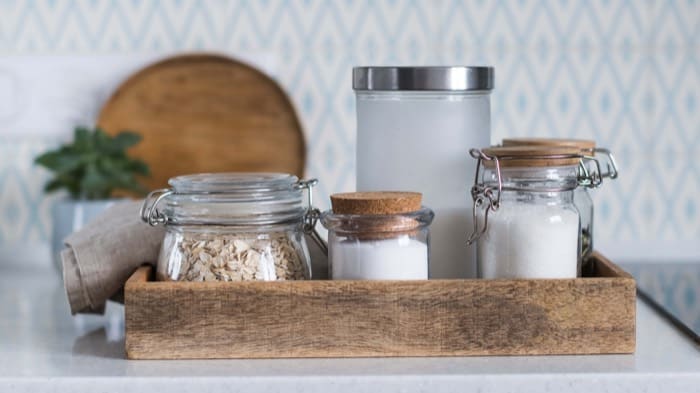
Say goodbye to mini bottles. Refillable soap and shampoo dispensers are not only environmentally friendly, they are also cost-effective and stylish. Your bathroom will look like a spa, minus the pile of plastic.
Biodegradable or Reusable Packaging
For items that do need packaging, choose biodegradable materials or, better still, reusable ones. Fabric laundry bags, for instance, are a far better option than disposable versions.
Stepping Up Recycling

Recycling is a cornerstone of waste management. Here is how to make it work:
Easily Accessible Recycling Bins
Make sure recycling bins are available everywhere, from the bedrooms to the communal areas. A small colour-coded reminder of what goes where can make a real difference.
Composting Organic Waste
For hotels with a restaurant, composting is a brilliant option. Food waste turned into compost can be used to fertilise the hotel gardens. The circle of life, hospitality edition.
Food and Drink: Cutting Down on Waste

Hotel buffets are famous for their abundance, but often just as famous for the waste they create. Here is how to reduce it:
Serve in Small Quantities
Rather than preparing large amounts of food, consider on-demand buffets where dishes are cooked in small batches, as they are needed. This guarantees freshness and cuts leftovers significantly.
Food Donations
Build partnerships with local organisations to donate surplus food. You will help people in need and reduce your waste at the same time.
Getting Guests on Board
Your efforts will only go so far unless your guests are involved too:
Information and Awareness
Use information signs and in-room messages to encourage guests to take part in recycling and waste reduction. A friendly note on the pillow can work wonders.
Reward Schemes
Encourage green behaviour with rewards, such as discounts for guests who reuse their towels or cut their water and energy use. Reducing waste in a hotel is not just good for the planet, it is also an excellent way to strengthen your brand image and save money. By building sustainable practices into daily operations, hotels can contribute to a healthier environment and offer a more rewarding experience that keeps guests coming back. So, hoteliers, ready to go green?
Here are the levers described above, lined up against the areas that actually fill your bins.
| Waste source | Suggested lever | What the hotel gains |
|---|---|---|
| Bathroom miniatures | Refillable dispensers | One plastic stream gone, purchase cost recovered on refills |
| Packaging of supplied items | Biodegradable or reusable materials | No more disposable versions, cloth laundry bags for instance |
| Recyclables in rooms and common areas | Sorting bins everywhere, with a colour-coded reminder | Sorting happens where the waste is created |
| Organic kitchen waste | Composting, if the property has a restaurant | Compost for the flower beds and the garden |
| Over-generous buffet | Small batches replenished during service | Fresher food and far fewer leftovers |
| Remaining food surplus | Donation to a local charity | Less waste and a social benefit |
| Towels and linen | Rewards for reuse | Fewer washes, guests on board |
Frequently asked questions
Where do I start if I want to cut waste in my hotel? Start by measuring. Look at what you actually throw away over a week, from bathroom miniatures to buffet leftovers, and the volume will almost always surprise you. You will then know which area to tackle first instead of changing everything at once.
Do refillable dispensers really replace miniature bottles? Yes, and it is the most profitable move on the list. You remove a stream of plastic that goes in the bin after two uses, and the bathroom looks better for it. The purchase cost is recovered through the refills.
How do I get guests to sort their waste without annoying them? Put the bins where the waste is actually created, in the rooms as well as in the common areas, because nobody walks down a corridor to sort. Add a simple visual reminder of what goes where, with a colour code. A short, friendly note left in the room does the rest.
What should I do with buffet leftovers? Produce fewer of them first: cook in small batches, topped up as service goes on, which also improves freshness. For what remains, set up a partnership with a local charity that collects surplus food. One decision, two problems solved.
Does composting make sense in a hotel? Mainly if you run a restaurant, and therefore have a steady flow of organic waste. The compost then feeds the beds and the garden of the property. Without a kitchen or outdoor space the case is weak, and your effort is better spent on packaging.
Does cutting waste cost more? Usually the opposite: less waste means lower handling and disposal costs. Add the commercial argument with guests who care about the subject, and towels that go to the laundry less often when you reward reuse. The upfront spending stays modest.
On the same topic