
Slow tourism: what exactly is it?
Find out here what makes slow tourism so special.
Slow tourism is the opposite of mass tourism. It is a form of alternative tourism that encourages you to take your time, for once!

Taking your time on holiday
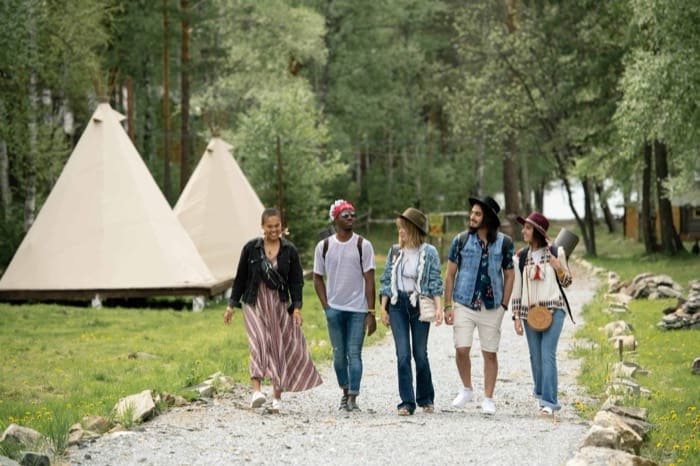
Which emerged in the 2000s, slow tourism is a chance to discover enchanting landscapes, immerse yourself more fully in nature and savour the many pleasures of the table while meeting plenty of new people.
It is a slower form of tourism: you take the time to enjoy your holiday without an overloaded schedule. You unwind more easily and, as a result, you discover far more of the world around you.
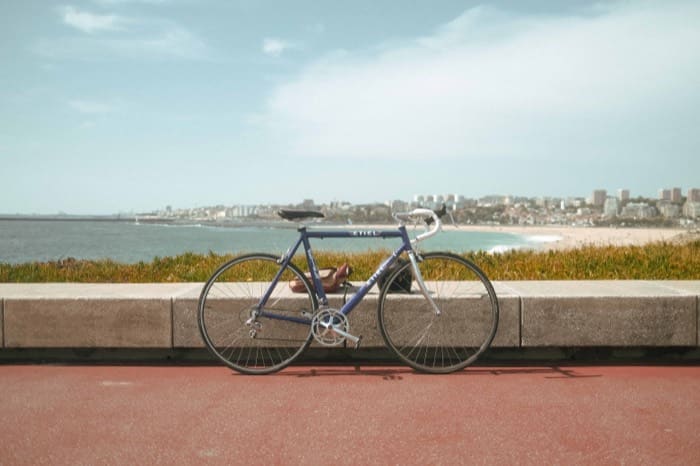
Here, you eat local and seasonal food, you leave the car behind and choose non-polluting transport instead, which removes yet another source of stress (petrol, parking, and so on).

The benefits of slow tourism
The benefits of slow tourism are many, both for the planet and for people.
For the holidaymaker, this type of tourism makes it possible to:
- Take your time
- De-stress
- Reset your body clock
- Meet new people and discover new cultures far more deeply
- Discover landscapes that can only be reached on foot, by bike or on horseback
What is more, because this form of tourism is based on travelling less and cutting back on polluting transport, it contributes to the fight for a cleaner planet. You often stay with local residents, you buy local: in short, you do what it takes to enjoy a holiday with a smaller impact, and it feels good! Switching off to better reconnect with yourself and make the most of things: that is how we would define slow tourism. So why not give the concept a try on your next holiday?
And to get the very most out of your break, why not combine slow tourism with a micro-adventure ?
Slow tourism stands out through concrete practices and measurable benefits for both the traveller and the environment.
| Characteristic | For the traveller | For the planet |
|---|---|---|
| Pace of stay | No packed schedule, easier to relax | Fewer journeys and less polluting transport |
| Mobility | On foot, by bike or horseback | No stress about fuel or parking |
| Food | Local and seasonal | Local consumption, reduced impact |
| Accommodation | Often with local hosts | Local economy, lower impact |
| Effects on wellbeing | Reduces stress, regulates sleep cycle, enables encounters | Contributes to a cleaner planet |
Frequently asked questions
What exactly is slow tourism? It is an alternative form of travel that stands against mass tourism and comes down to taking your time. You travel without an overloaded schedule, you eat local and seasonal food, you favour non-polluting transport. Disconnecting in order to enjoy yourself again sums it up.
When did slow tourism appear? The term emerged in the 2000s. It describes a slower way of travelling, born as a reaction to mass tourism.
Can you travel slow without a car? That is the whole point. The car gives way to non-polluting transport, which also removes the stress of fuel and parking. Walking, cycling or riding opens up landscapes no road reaches.
What does it change for the traveller? You unwind, your body clock settles, you meet people and you take in other cultures far more deeply. Staying with locals and eating at their table does much of the work.
Is slow tourism really better for the planet? It relies on fewer journeys and on less polluting transport, so yes, the footprint of the stay goes down. You buy local and you often sleep in someone’s home.
Are slow tourism and microadventure the same thing? No, they are two distinct approaches, but they go well together. Nothing stops you from combining them during the same holiday.
On the same topic