
Silent tourism: when calm becomes the destination
- 1What is silent tourism?
- 2The pillars of silent tourism
- 3Silent tourism vs conventional tourism: a clash of philosophies
- 4Why is this trend winning over more and more people?
- 5How do you practise silent tourism? (Even if you are a chatterbox)
- 6A few « silent » destination ideas
- 7The unexpected benefits of silent tourism
- 8In conclusion: what if silence were the finest adventure of all?
- 9Frequently asked questions
Tired of the crowds of tourists swarming the most famous Instagram spots? Of back-to-back selfies in front of the Mona Lisa, queues for a "local" coffee at 7 €, or guides bellowing into a megaphone? Perhaps it is time to embrace a new travel philosophy: silent tourism.
Both soothing and ethical, this movement is gaining ground among travellers in search of meaning, slowness and, you guessed it, silence. In this article, we tell you everything about a gentle trend that does wonders for your ears… and for the planet.
What is silent tourism?

Silent tourism (or slow silence travel for the more fashionably English-speaking among us) is a way of travelling built on calm, discretion, contemplation and respect for the environment. It is not only about avoiding the crowds: it is also about avoiding becoming part of the crowd yourself.
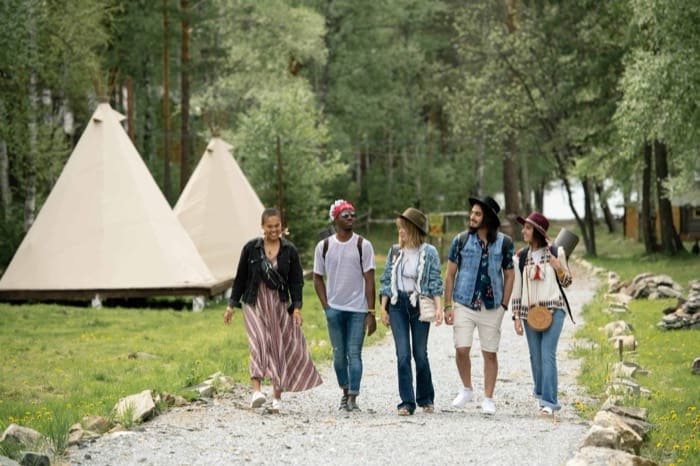
Rather than frantically ticking off every attraction in a guidebook, followers of silent tourism favour forest walks, mountain retreats, villages forgotten by Google Maps or beaches where the human tide is all but non-existent. The aim? To reconnect with yourself, with others, with nature, and to leave the noise of the world behind.
The pillars of silent tourism
Here are the guiding principles of this type of tourism:
Calm, or nothing at all
Silence here is not merely an absence of noise, but a state of mind. We are talking about a silence that soothes, that grounds you, that leaves room for introspection. The favoured settings: nature reserves, national parks, monasteries, mountain hamlets…
Travelling slowly
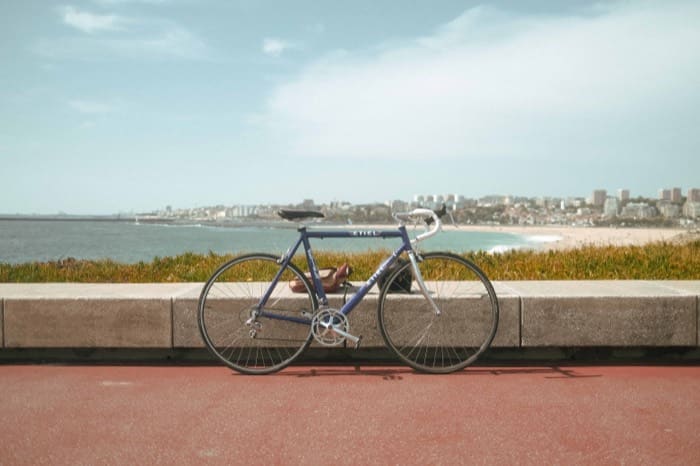
No more 48-hour city breaks. Silent tourism champions slowness. You take the time to explore a place in depth, you walk, you observe, you savour. The train replaces the plane, the bicycle dethrones the rental scooter.
Discreet, responsible tourism
Respecting places and the people who live in them, avoiding intrusive behaviour, not disturbing wildlife, not polluting landscapes with decibels or litter: that is the creed. This form of tourism is part of a wider commitment to sustainability.
Silent tourism vs conventional tourism: a clash of philosophies
| Criterion | Conventional tourism | Silent tourism |
| Aim | See as much as possible | Experience a moment deeply |
| Transport | Plane, tour bus | Train, walking, cycling |
| Travel style | Fast, loud, noisy | Slow, gentle, introspective |
| Activities | Guided tours, shopping, nightlife | Meditation, hiking, reading by a lake |
| Ecological footprint | Often high | Reduced and offset |
Why is this trend winning over more and more people?

A growing need to switch off
Between social media, notifications, the daily grind and an anxiety-inducing news cycle, there is a real craving for calm. Silence has become a luxury, almost a remedy. And what better time than a holiday for a good dose of it?
Coming back to yourself
Silent tourism is a bit like a retreat without having to fly off to an ashram in India. Reading a book looking out over an Alpine valley, listening to birdsong rather than TripAdvisor: there is a lot to be said for it.
An answer to the climate emergency
Less noise, less transport, less frenzied consumption: this way of travelling is a perfect fit for the need for sustainable tourism.
How do you practise silent tourism? (Even if you are a chatterbox)
You do not need to take a vow of silence to get started. Here are a few practical ideas:
- Choose quiet destinations: the Cévennes, the Faroe Islands, the Japanese Alps, or even a gîte tucked away in Brittany.
- Opt for simple accommodation: bed and breakfasts, mountain refuges, tiny houses… Bonus points if there is no Wi-Fi!
- Turn off your phone (or at least the notifications).
- Walk, pedal, breathe.
- Take part in silent activities: yoga, photography, birdwatching, drawing…
A few « silent » destination ideas
- Val d'Orciain Tuscany: peaceful hills, lines of cypress trees, sunsets to die for.
- The Cévennes National Park: perfect for hiking and absolute quiet.
- The Białowieża Forestin Poland: a gem of unspoilt nature.
- Mount Kōyain Japan: temples, meditation and a guaranteed zen atmosphere.
The unexpected benefits of silent tourism
- Less stress: unsurprisingly, silence calms the nervous system.
- Better concentration: the sounds of nature help refocus the mind.
- More authentic moments: fewer screens, more eye contact.
- A lasting memory: because a sunrise walk through an empty forest is not something you forget.
In conclusion: what if silence were the finest adventure of all?
Silent tourism is not just for monks or ASMR enthusiasts. It is a poetic, eco-friendly and thoughtful way of rediscovering the world… and yourself. Far from the bustle of conventional itineraries, it opens the door to a luxury that has become rare: peace.
So next time you plan a trip, ask yourself: do I really need to see everything… or simply to feel fully what I am living?
Frequently asked questions
What exactly is silent tourism? It is a way of travelling built on quiet, discretion, contemplation and respect for the environment. It is not only about avoiding crowds, it is about not becoming one yourself. Instead of ticking off every attraction in a guidebook, you explore one place in depth: you walk, you look, you take your time.
Do I have to stay silent for the whole trip? No, no vow of silence required. The silence in question is a state of mind: the kind that soothes, re-centres and makes room for introspection. What matters is not disturbing the place, the people who live there or the wildlife.
Where can I go for a quiet trip? The Cévennes, the Faroe Islands, the Japanese Alps or a remote cottage in Brittany all do the job. Among the landmark destinations: the Val d’Orcia in Tuscany for its hills and cypresses, the Cévennes National Park for hiking, the Białowieża Forest in Poland for its untouched nature, and Mount Kōya in Japan for its temples. What they have in common: places the guidebooks have not saturated.
What kind of accommodation should I choose? Something simple: a guest room, a mountain refuge, a tiny house, an isolated cottage. No Wi-Fi is a bonus rather than a flaw, since the whole point is to switch the notifications off. And when the place is quiet, the traveller tends to follow suit.
How do I get there without flying? Trains replace planes, bikes replace rented scooters, and walking covers the rest. That does mean giving up the 48-hour city break: you pick one destination, you stay, you explore it. Slowness is not a constraint here, it is the principle.
What does it actually change once you are there? Less stress, first of all: silence calms the nervous system. The sounds of nature also help refocus attention, and time away from screens leaves more room for real exchanges. A sunrise walk in an empty forest sticks in the memory better than a queue outside a museum.
On the same topic