
Holiday villages: the great return of sociable tourism
- 1A success that keeps on growing
- 2Why are holiday villages so appealing today?
- 3Figures that reveal a genuine transformation in tourism
- 4The holiday village: a symbol of the new French tourism
- 5More sustainable, more responsible tourism
- 6A formula that appeals to every generation
- 7What future for holiday villages in France?
- 8Frequently asked questions
A success that keeps on growing
For several years now, holiday villages have been enjoying a real golden age in France. Long seen as a slightly old-fashioned formula reserved for large families or school groups, they are once again major players in French tourism. And the phenomenon is anything but marginal: the figures show a steady rise in visitor numbers, driven by changing guest expectations.
Tourism in France is changing fast. Holidaymakers are now looking for more simplicity, more comfort, closer contact with nature and, above all, a more human experience. The famous “all-inclusive” no longer brings to mind only vast, impersonal resorts abroad. Today, the French holiday village is built on sociability, shared activities and regional authenticity.
According to several industry studies, France now has more than 1,000 holiday villages spread across the country. Together they account for several hundred thousand tourist beds and welcome millions of holidaymakers every year. After the health crisis, their occupancy soared spectacularly. Between 2021 and 2024, some tourist regions recorded booking increases of more than 20%. Which just goes to show: after years of rushing about, the French have rediscovered the simple pleasure of a drink on the terrace while the children mysteriously disappear into a “treasure hunt” activity.
Why are holiday villages so appealing today?
The current success of holiday villages rests above all on a deep shift in the way people consume tourism. Guests are looking for holidays that are easier to organise, less stressful and often cheaper. Against a backdrop of inflation and rising tourism prices across the board, this formula looks like an excellent compromise.
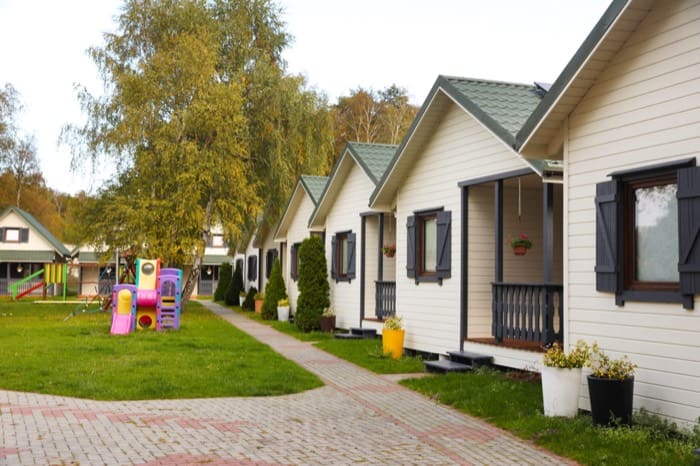
In practice, a holiday village generally offers accommodation, activities, leisure facilities and sometimes catering all in one place. That centralisation appeals enormously to families. No more hours spent comparing restaurants, booking activities or juggling daily logistics. It is all taken care of. And for many parents, that is probably worth more than a five-star spa.
Another strong point: the sheer variety on offer. Holiday villages are no longer confined to the mountains or the seaside. You now find them in the countryside, beside lakes, in the heart of vineyards and even in more urban areas. This spread of locations allows local tourism to develop all year round.
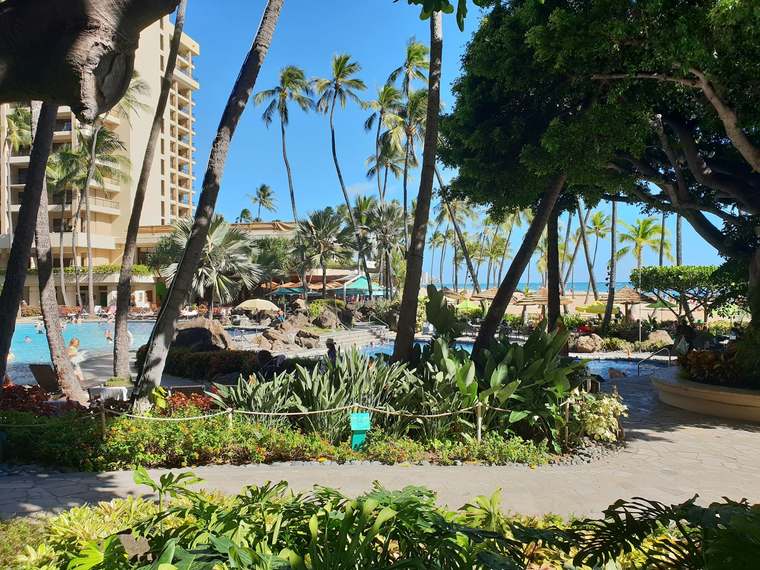
Modernised facilities also play a major part. Heated pools, wellness areas, design-led accommodation, themed entertainment, superbly equipped kids' clubs: the sector has adapted extensively to new consumer expectations. Some holiday villages now resemble genuine mini-resorts, quite capable of competing with traditional hotels.
Figures that reveal a genuine transformation in tourism
The rise of holiday villages is part of a wider dynamic in French tourism. France remains the world's leading tourist destination, with close to 100 million international visitors a year. But what is changing profoundly is the way people travel.
Short breaks are booming, last-minute bookings are becoming commonplace and tourists increasingly favour destinations closer to home. In this context, the holiday village fits the new expectations perfectly.
According to data from several tourism bodies, nearly 40% of French people say they prefer holidaying in France rather than abroad. This trend has accelerated since 2020 with the growth of domestic tourism. Regions such as Brittany, the Dordogne, the Alps and the Atlantic coast are direct beneficiaries.
Holiday villages often post impressive occupancy rates over the summer. Some sites exceed 90% occupancy during the school holidays. Even the shoulder seasons, once much quieter, now attract a growing clientele thanks to remote working and flexible stays.
Turnover in the tourism sector linked to group accommodation has also risen significantly in recent years. Investment is multiplying, particularly in eco-friendly accommodation and sustainable infrastructure. Because tourism today is no longer just about comfort: it also has to mean something.
Here are the figures quoted in this section, gathered into a single table.
| Indicator | Figure quoted | What it signals |
|---|---|---|
| Holiday villages in France | More than 1,000 | Coverage across the whole country |
| Bed capacity | Several hundred thousand tourist beds | A mass format, not a niche |
| Bookings between 2021 and 2024 | Increases of over 20% in some tourist regions | A clear rebound after the health crisis |
| Summer occupancy rate | Over 90% in some properties during the school holidays | Very tight weeks, worth booking early |
| French people choosing France | Close to 40% | Domestic tourism is settling in |
| International visitors to France | Close to 100 million a year | The world’s leading tourist destination |
The holiday village: a symbol of the new French tourism
Part of the appeal of holiday villages is that they reflect the new values of modern tourism so well. Holidaymakers now want experiences that are more authentic, more local and less standardised.
Traditional mass tourism is gradually showing its limits. Many guests want to avoid the big crowds, the impersonal hotels and the ultra-packaged stays. The holiday village strikes an appealing balance between comfort, relaxation and social connection.
At these sites, meeting people happens naturally. Children play together, families swap hiking tips over a coffee, lively evenings create shared memories. It may sound trivial, but in an increasingly digital society this human dimension is becoming extremely precious.
The success of holiday villages also reveals a growing desire to slow down. Today, many French people are looking above all for a restful holiday. The ideal programme? A bit of time in the pool, a few walks, a convivial evening and, most importantly, not answering work emails. A dream that has become almost revolutionary.

More sustainable, more responsible tourism
The future of French tourism also seems to lie in more sustainable models, and holiday villages have understood that clearly. Many sites are now investing in green solutions: solar panels, waste reduction, short supply chains for catering, gentle mobility and responsible water management.
This shift responds directly to consumer expectations. Guests are increasingly aware of the environmental impact of their holidays. Sustainable tourism is no longer just a marketing line: it has become a genuine deciding factor.
Holiday villages also have a positive impact on the local economy. Unlike some highly concentrated forms of tourism, they often contribute to the development of rural or less-visited areas. Local restaurants, regional producers, cultural activities and craftspeople all benefit directly from these visitors.
This logic of tourism closer to home could grow strongly in the years ahead. With rising transport costs and environmental concerns, many experts believe domestic holidays will continue to gain ground.
A formula that appeals to every generation
Once mainly the preserve of families, the holiday village now attracts an extremely broad audience. Young couples enjoy short relaxing breaks, groups of friends look for sporting activities and older visitors appreciate comfortable, secure facilities.
The growth of remote working has also changed things. Some holidaymakers now extend their stay by working remotely for a few days from their accommodation. Sites are adapting with coworking spaces, stronger internet connections and hybrid packages combining work and relaxation.
Even solo guests are starting to take an interest in this type of accommodation. The sociable setting makes it easier to meet people and reduces the isolation sometimes felt in more conventional hotels.
This ability to appeal to very different profiles largely explains the sector's resilience. The holiday village is no longer a fixed formula: it has become a genuine way of holidaying, adaptable to every taste.
What future for holiday villages in France?
Everything suggests the phenomenon will keep growing over the coming years. Tourism professionals are investing heavily in refurbishing sites and upgrading their services.
Holiday villages are also benefiting from several favourable trends: the rise of domestic tourism, the search for affordable holidays, the need for nature, the desire for social connection and the growth of responsible tourism.
Artificial intelligence, digital tools and booking platforms are transforming the sector too. Sites are improving their online visibility, personalising the guest experience further and optimising their management. But despite all this modernisation, the essentials remain unchanged: offering holidays that are simple, warm and sociable.
Ultimately, the success of the holiday village says something rather profound about our times. After years marked by relentless acceleration, guests seem to be rediscovering the pleasure of simple things: sharing a meal, enjoying nature, spending time together and genuinely switching off.
And honestly, between a 6pm Zoom meeting and a game of pétanque at sunset, the choice is made pretty quickly.
Frequently asked questions
What exactly is a holiday village? It brings accommodation, activities, leisure facilities and often catering together in one place. You have no restaurants to compare and no activities to book on your own: the programme is already there. That centralisation explains much of the format's appeal to families.
How many holiday villages are there in France? Several industry studies count more than 1,000, spread across the whole country. Together they represent several hundred thousand tourist beds and welcome millions of holidaymakers every year. Between 2021 and 2024, some tourist regions recorded booking increases of more than 20%.
Is it still a family-only format? No. Young couples come for short relaxing breaks, groups of friends for the sports activities, older guests for the comfort and safety of the facilities. Solo travellers are starting to look at it too, because the friendly setting makes meeting people easy.
Do you need to book far in advance? For summer, yes: some sites go beyond 90% occupancy during the school holidays. Shoulder seasons leave more room, even if they now attract a growing number of guests. Last-minute booking has become common, but it stays a gamble on the busiest weeks.
Can you work remotely from a holiday village? More and more, yes. Sites are adapting with coworking areas, stronger internet connections and hybrid packages that mix work and downtime. It is one of the reasons the shoulder seasons, once quieter, now fill up better.
Are holiday villages a more sustainable form of tourism? Many are investing in solar panels, waste reduction, local supply chains for catering, sustainable transport and responsible water management. They also benefit rural areas, where restaurants, local producers, craftspeople and cultural activities attract some of the visitors. Sustainability has become a deciding factor for guests, not just a marketing claim.
On the same topic