
Hotels: coworking spaces for digital nomads
Swapping homes means discovering a certain authenticity, a smaller accommodation budget and a new way of creating memories.
Work as our parents knew it has changed beyond recognition. It no longer means sitting behind a computer screen at a desk for seven hours a day. Today, many people choose a nomadic career that combines work with freedom. This is where tourism businesses such as hotels can come out on top, by offering far more than simply a soft bed. Picture yourself working from a smart, elegant space, sipping your coffee as you tap away at your keyboard, surrounded by other digital nomads just like you. Well, that is now possible thanks to the rise of coworking spaces in hotels.
Why the layout of the space matters

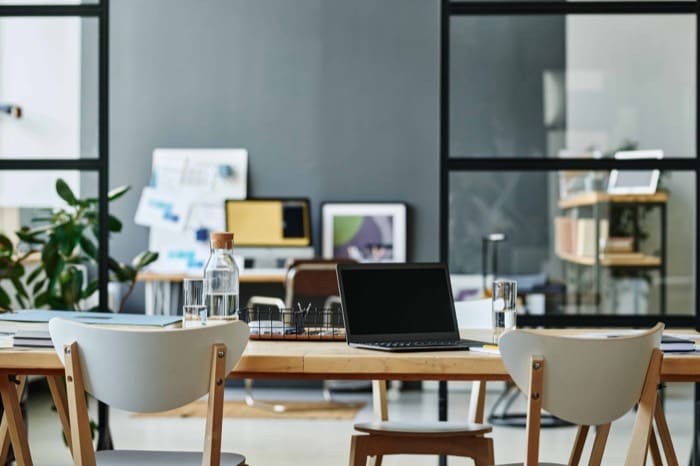
Setting up a coworking space in a hotel is not just a matter of putting out a few tables and chairs. The aim is to offer an inspiring, functional environment that adapts well to different uses and feels pleasant to be in. Here are a few key ingredients when creating these spaces:
Flexible furniture
Furniture that is practical, easy to use and comfortable is essential. Modular tables, ergonomic chairs and clever storage allow users to personalise their workspace to suit their needs.
Connectivity
Coworking spaces in hotels need solid technical infrastructure. Easily reachable power sockets, fast Wi-Fi and USB charging points are must-haves if nomadic workers are to have a hassle-free experience.
Rest and relaxation areas
Coworking spaces are not only about work. It is in a hotel's interest to include break-out corners too: sofas, refreshments and a coffee machine, to preserve the friendly, sociable side that defines coworking.
Lighting and atmosphere
Lighting also plays a big part in creating the right working mood. Natural light, adjustable desk lamps and well-placed decorative touches all help to create a welcoming and inspiring environment.
The four criteria that make the difference when designing a hotel coworking space can be summed up as follows.
| Criterion | What to plan for | What it avoids |
|---|---|---|
| Furniture | Modular tables, ergonomic chairs, smart storage | An uncomfortable setup that sends the guest back to their room |
| Connectivity | Accessible power outlets, fast Wi-Fi, USB charging stations | A slow network that undermines even the best furniture |
| Relaxation areas | Sofas, refreshments, coffee machine | A purely functional space with no social exchange |
| Lighting and ambience | Natural light, adjustable lamps, thoughtful decor | A cold environment that fails to inspire focus |
The added value for the hotel

Making the most of coworking spaces in hotels benefits more than just the guests: it brings a whole host of advantages for the business itself.
A broader offering
By providing coworking spaces, hotels widen their range of services and attract a more varied clientele. Whether for a business meeting, a productive day's work or simply to chat with other guests, coworking spaces offer welcome added value.
Higher occupancy rates
Coworking spaces can help hotels lift their occupancy rates, especially in the low season. Nomadic workers, freelancers and entrepreneurs are often looking for temporary places to work, which can help fill the quiet periods and maximise the property's revenue.
A stronger brand image
Offering high-quality coworking spaces shows the hotel's commitment to innovation and guest wellbeing. It strengthens the establishment's reputation as a welcoming, modern venue, likely to attract loyal guests and generate positive recommendations. Work and travel are increasingly intertwined, and coworking spaces in hotels have become a valuable asset for business guests, digital nomads and freelancers. By making smart use of these spaces, hotels can offer their guests an exceptional experience whilst gaining a significant added value for their establishment.
Frequently asked questions
Is a few tables in the lobby enough? No. Setting up a coworking space is not a matter of putting out some tables and chairs. What makes the difference is an environment that is both functional and inspiring: adaptable furniture, reliable connectivity, carefully handled lighting. Without that, the guest goes back to working from the room.
Which technical equipment comes first? Three things, before anything else: power sockets that are genuinely reachable from the desks, fast Wi-Fi access and USB charging points. That infrastructure is what makes the space usable day to day. Handsome furniture on a slow network keeps nobody.
Can a coworking space fill the hotel in low season? It helps. Digital nomads, freelancers and entrepreneurs regularly look for temporary places to work, which helps fill the quiet stretches and support the occupancy rate. It is no guarantee of a full house, just one more lever on the slow weeks.
What furniture should be chosen for this kind of space? Modular tables, ergonomic chairs and sensible storage. The point is that everyone can set up their own spot according to the day, a video call in the morning, two hours of deep work in the afternoon. Practicality and comfort come before style.
Are lounge corners really needed among the desks? Yes, because a coworking space is not only a workspace. Sofas, refreshments and a coffee machine keep alive the friendly, social side that makes the place worthwhile. That corner is often where guests actually talk to each other, and where they remember the hotel.
What does it bring to the property’s image? Offering a well-designed coworking space shows that a hotel cares about innovation and about its guests’ wellbeing. It feeds a reputation as a welcoming, up-to-date place, which builds loyalty and brings recommendations. At the same time the service offer widens and attracts a more varied clientele: a business meeting, a working day, or simply the wish to talk to someone.
On the same topic