
Eco-friendly activities and nature: what to do in the Pyrenees?
- 1Why choose the Pyrenees for an eco-friendly break?
- 2Hikes and nature walks
- 3Cycling, the slow travel way
- 4Sleeping in an eco-lodge or a yurt
- 5Yoga, forest bathing and natural wellbeing
- 6Eating local (and organic where possible)
- 7Join a conservation project or eco-volunteering scheme
- 8Conclusion: the Pyrenees, a playground for responsible guests
- 9Frequently asked questions
Do you love nature, wide open spaces, majestic mountains and… planet Earth? (so do we, promise). Then head for the Pyrenees, that little gem tucked between France and Spain, where you can enjoy wild beauty while taking part in eco-friendly activities. From gentle hikes to nights under the stars and local food, here are our ideas for a stay that is both green and unforgettable.
Why choose the Pyrenees for an eco-friendly break?

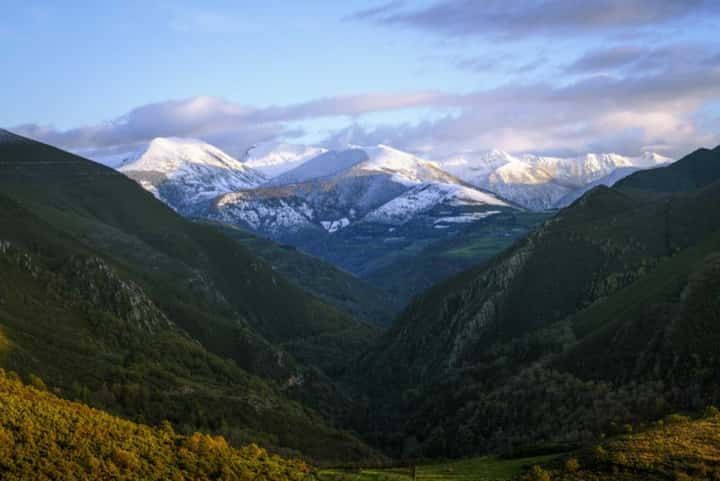
The Pyrenees are a dream destination for nature lovers. With their nature parks, unspoilt trails, exceptional biodiversity and picturesque villages, the Pyrenees are the ideal setting to slow down, reconnect with what matters and adopt habits that respect the environment.
The bonus? Plenty of local initiatives support sustainable tourism: eco-certified accommodation, organic producers, low-carbon travel… everything is in place for a holiday as green as your evening herbal tea.
Hikes and nature walks

Let's start with the obvious one: hiking, the eco-friendly activity par excellence. No engine required, just a good pair of boots, some water and your curiosity!
The Pyrenees are packed with waymarked trails for every level. Whether you are more of a contemplative marmot or a hardy ibex, there is something for you:
- ThePyrenees National Parkoffers discovery trails with information panels on local wildlife and plant life.
- TheNéouvielle Nature Reserveis a genuine haven of biodiversity, with its glacial lakes and mountain pines.
- Over in the Ariège, theChemin des Bonshommescombines nature with medieval history, all in a pair of trainers.
Green tip: avoid over-visited trails in high season and set off early in the morning to limit the impact on wildlife.
Cycling, the slow travel way

Another big star among eco-friendly activities in the Pyrenees: cycling. Whether on an e-bike (no judgement here), a mountain bike or a road bike, it is a brilliant way to discover the landscapes at your own pace, with zero emissions.
The Piémont Pyrénéen cycle route, the V81, runs along the mountain range from the Atlantic to the Mediterranean, with breathtaking views the whole way. Several resorts hire out electric bikes, so you can climb without breaking a sweat and enjoy the ride without the guilt.
Think about combining train and bike: the Toulouse to Luchon SNCF line and the Tarbes to Pau line both take bikes on board, and that is green travel at its finest.
Sleeping in an eco-lodge or a yurt

A night in the heart of nature, no Wi-Fi but plenty of stars? It is entirely possible, and highly recommended.
Many places to stay in the Pyrenees are committed to a sustainable approach:
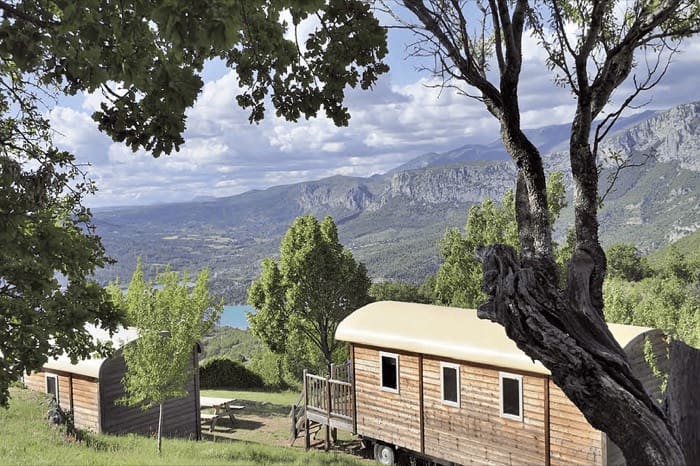
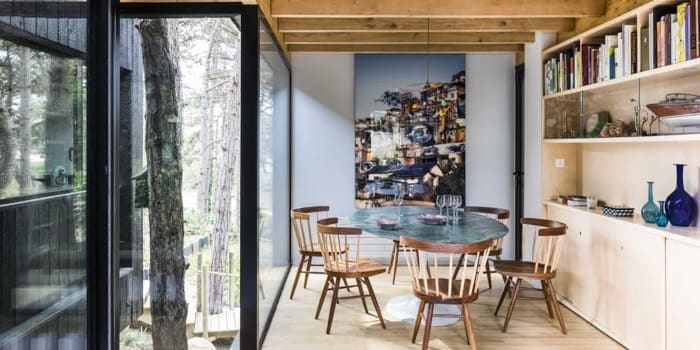
Eco-lodges and eco-friendly gîtes use natural materials, favour renewable energy and often serve meals sourced from nearby farms. For total immersion, there is the yurt, the treehouse or the tiny house: minimalist comfort, mountain views.
Useful links: check labels such as Clef Verte or Accueil Paysan to choose responsible accommodation.
Yoga, forest bathing and natural wellbeing

The Pyrenees are not all about sport: they are also the perfect place to reconnect with yourself. You will find plenty of gentle, sustainable activities:
Open-air yoga sessions face the peaks or sit beside a lake. Forest bathing offers a sensory immersion in the woods, an easy way to unwind. And some spa towns take the ecological side seriously: Ax-les-Thermes and Luchon manage their thermal waters and their facilities responsibly.
An hour of meditation under a Pyrenean fir tree is worth a whole day at the spa.
Eating local (and organic where possible)

Because a trip without flavours is like a summit without a view: deeply frustrating. Happily, the Pyrenees are bursting with regional produce, to be enjoyed in moderation but with conviction.
Go for:
- Local farmers' markets (often organic or low-input farming).
- Farmhouse inns that cook with what they grow and rear.
- Visits to honey farms, cheese dairies or craft breweries.
And remember: supporting short supply chains is an eco-friendly activity too!
Join a conservation project or eco-volunteering scheme
Fancy giving something back to Mother Nature? Take part in local initiatives:
- Litter pickingalong the trails (local associations run "Clean Hike" days).
- Conservation working partiesto restore paths or maintain fragile areas.
- Guided wildlife watching, without disturbing anything: griffon vultures, izards, marmots and perhaps even… the brown bear (from a distance, a very safe distance).
An excellent way to combine a holiday with doing some good!
Here, at a glance, is what each activity involves on the ground and the habit that makes it genuinely eco-friendly.
| Activity | Where, in the Pyrenees | The eco-friendly habit |
|---|---|---|
| Hiking and nature walks | Pyrenees National Park, Néouvielle nature reserve, Chemin des Bonshommes in Ariège | Set off early and avoid over-visited trails in high season |
| E-bike, mountain bike or road bike | Véloroute du Piémont Pyrénéen, the V81, from the Atlantic to the Mediterranean | Come by train: the Toulouse - Luchon and Tarbes - Pau lines take bikes on board |
| A night in a committed property | Ecolodges, eco-friendly gîtes, yurts, treehouses, tiny houses | Check the Clef Verte or Accueil Paysan labels before booking |
| Natural wellbeing | Outdoor yoga facing the peaks, forest bathing, thermal baths at Ax-les-Thermes and Luchon | Choose gentle activities, with no gear and no engine |
| Eating local | Farmers’ markets, farm inns, honey houses, cheese dairies, craft breweries | Support short supply chains, often organic or low-input farming |
| Nature action and eco-volunteering | “Clean Hike” days run by local associations, trail restoration workdays | Watch griffon vultures, izards and marmots with a guide, and the brown bear from very far away |
Conclusion: the Pyrenees, a playground for responsible guests
By choosing eco-friendly activities in the Pyrenees, you are opting for gentler, more respectful and infinitely more rewarding tourism. Whether you travel solo, as a couple, with the family or with friends, there are a thousand ways to experience the mountains differently.
And don't forget to keep your StyQR welcome book up to date with all the activities around you!
Frequently asked questions
Which walks in the Pyrenees are best if you are just starting out? The waymarked trails cover every level, from the gentle stroller to the seasoned walker. The Pyrenees National Park has discovery trails with interpretation panels on local wildlife and plants, ideal for a first outing. The Néouvielle nature reserve, with its glacial lakes and mountain pines, and the Chemin des Bonshommes in Ariège can also be walked without technical gear.
Can you reach the Pyrenees with your bike without driving? Yes. The Toulouse to Luchon and Tarbes to Pau SNCF lines take bikes on board, so train and bike combine easily. Once there, the Piémont Pyrénéen cycle route, the V81, runs along the range from the Atlantic to the Mediterranean. Several resorts also hire out electric bikes if the gradients worry you.
How do you tell a genuinely eco-friendly place to stay in the Pyrenees? Start with the labels: Clef Verte and Accueil Paysan let you sort the offer without relying on a nice mountain photo. Committed ecolodges and eco gîtes use natural materials, renewable energy and meals sourced from local farms. For a more radical stay, a yurt, a treehouse or a tiny house gives you minimalist comfort with a view of the peaks.
Which animals can you watch, and from how far? Griffon vultures, izards and marmots are fairly easy to spot at altitude. The brown bear, on the other hand, is watched from a very long way off and only with a lot of luck. Go through a guided observation session: it is the only way to get close to wildlife without disturbing it.
How do you limit your impact on the trails in peak season? Avoid the busiest routes in high season and set off early in the morning: wildlife will thank you, and the photos will be better. You can also give something back by joining a trail litter-picking day, the Clean Hike outings run by local associations. Conservation work camps, which repair paths or maintain fragile areas, are another way in.
Where do you eat local during a stay in the Pyrenees? Farmers' markets, often organic or low-input, are the simplest place to start. Farm inns cook what they produce, and visits to honey houses, cheese dairies or craft breweries round things off. Supporting these short supply chains counts as much, on a trip, as walking instead of driving.
On the same topic