
Overtourism in France: when the Eiffel Tower needs a holiday
Welcome to France! Land of fine wine, cheeses that smell strong (and good), the baguette... and overtourism. If you have ever queued for three hours to climb up to Mont-Saint-Michel, or elbowed your way through the back streets of Saint-Tropez in summer, you know exactly what we mean.
Overtourism in France has become a very visible reality. But why is it happening? What are the consequences? And above all, how can we tackle it without scaring off our beloved tourists? Here is everything you need to know, with a smile.
What is overtourism?

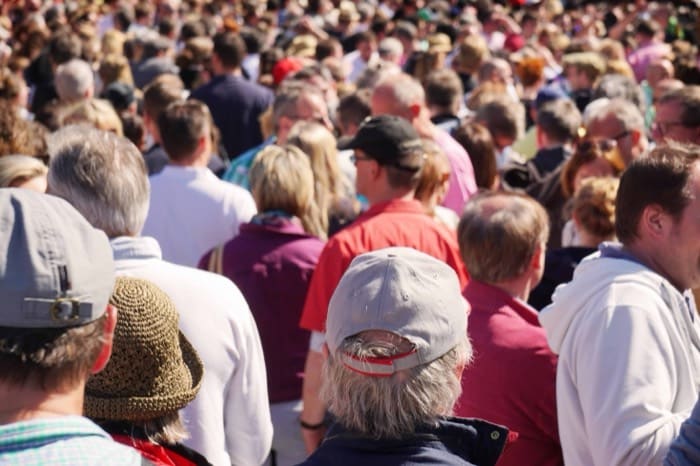
Overtourism, or sur-tourisme as the French call it, refers to visitor numbers so high that they exceed a destination's carrying capacity, to the point of harming the environment, local residents... and even the visitor experience itself.
Figures that make your head spin
Before the pandemic, France welcomed around 90 million tourists a year, a world record. Paris, the French Riviera, Mont-Saint-Michel, the Loire châteaux... all draw enormous crowds, sometimes to the point of suffocation. And since tourism came roaring back after Covid, some sites are once again crying out for help.
The causes of overtourism in France

France's own success (yes, it is partly our fault)
France is beautiful, varied, culturally rich... in short, irresistible. Between Parisian glamour, the Provençal dolce vita and the snow-covered Alps, it is easy to see why everyone wants to come.
Social media
Instagram and TikTok have turned charming little spots into global stars. The result: everyone wants the perfect shot in front of the Étretat cliffs or Rue Crémieux in Paris, which has been turned into a photo studio against its will.
Cheap travel
Low-cost flights, Airbnb, peer-to-peer rentals... Travelling has never been so easy or so affordable. The result: even the most remote corners of France are becoming trendy and overcrowded.
A geographical concentration
80% of tourists are concentrated on 20% of the country. It is simple maths: the more people head for the same place, the more it seizes up. Paris, Nice, Strasbourg... are besieged, while other gems stay quiet (which is a shame).
The consequences of overtourism

Pressure on the environment
Overcrowded beaches, mountains of rubbish, soil erosion... too many visitors means a heavy ecological impact. Even the calanques of Cassis end up calling time.
Local life disrupted
Rising rents, shops that cater to tourists at the expense of residents, transport at breaking point: in certain districts of Paris or Annecy, locals flee the tourist season like the plague.
Heritage at risk
Fragile monuments, trampled nature trails, historic villages worn down... between the selfies and the footfall, our heritage is running out of breath.
A poorer visitor experience
The irony: the more tourists there are, the less enjoyable the experience becomes. Too many people, too much queuing, too much noise... and the magic vanishes.
How to reduce overtourism in France (without giving tourists the cold shoulder)

Happily, there are solutions. And no, we are not talking about building a second Mont-Saint-Michel out of plastic.
Spread tourism across the year
Why do we all have to come in July and August? In May or September the weather is lovely, prices are gentler and the locals are more relaxed. Promoting the low season is good for everyone.
Spread the crowds out
France is full of magnificent places off the beaten track. Instead of Saint-Tropez, why not visit Collioure? Instead of Mont-Saint-Michel, consider Sénanque Abbey. Fewer people, just as much wonder.
Encourage responsible tourism
Choosing eco-labelled accommodation, favouring low-impact transport, respecting the places you visit... every gesture counts. A good tourist is a mindful tourist.
Regulate access to certain sites
Some towns and regions are already trialling compulsory booking, quotas or tourist charges. Venice has done it, Corsica is considering it, and France is slowly following suit.
Involve local residents
Tourism should not happen against residents, but with them. By involving them in decisions and supporting the local economy, we create a win-win relationship.
These five levers differ in cost and in reach. Here is what each one changes, and what it looks like on the ground.
| Lever | What it changes | Example given in the article |
|---|---|---|
| Spread the season | Good weather, gentler prices, more relaxed locals | Coming in May or September rather than July and August |
| Spread the flows | Fewer people, the same sense of wonder | Collioure instead of Saint-Tropez, Sénanque Abbey instead of Mont-Saint-Michel |
| Encourage responsible travel | An aware visitor puts less strain on a place | Eco-labelled accommodation, soft transport, respect for the sites |
| Regulate access | The site stays worth visiting | Compulsory booking, quotas, tourist tolls; Venice has done it, Corsica is considering it |
| Involve residents | A win-win relationship instead of tourism endured | Bringing them into the decisions and backing the local economy |
In conclusion: towards gentler, more sustainable tourism
Overtourism is not inevitable. It is a call to distribute better, plan better and show more respect. France has so much to offer beyond the picture-postcard clichés. So yes, Paris will always be Paris. But what if we looked a little further afield? What if we stepped out of the queues to savour the real France?
To everyone who loves France: let us take care of our heritage, our villages, our beaches... and give future generations the luxury of calm, authentic and respectful tourism.
Frequently asked questions
What exactly is overtourism? It is visitor numbers that exceed what a place can actually absorb. The environment, the residents and even the visitors themselves end up losing out. When the queue lasts longer than the visit, you are there.
How many tourists does France welcome every year? Before the pandemic, around 90 million a year, a world record. Tourism has come back strongly since then, and several sites are saturating again. Paris, the French Riviera, Mont-Saint-Michel and the Loire châteaux absorb most of that pressure.
Why is it always the same places that get overcrowded? Because 80% of tourists concentrate on 20% of the territory. Social media amplifies the effect: the Étretat cliffs or rue Crémieux in Paris become global destinations without asking for it. Meanwhile, entire regions stay quiet.
When is the best time to travel to avoid the crowds? May or September. The weather holds, prices are gentler and locals are far less on edge than in mid-August. Spreading visits across the seasons stays the simplest lever, and the only one that needs neither quotas nor barriers.
Will visitors have to book ahead for certain sites? It already happens elsewhere: Venice has regulated access, and Corsica is considering it. In France, mandatory booking, quotas and visitor charges are being tested by some towns and regions. It is not a punishment, it is often the only way to keep a place worth visiting.
What can replace Saint-Tropez or Mont-Saint-Michel in peak summer? Collioure instead of Saint-Tropez, Sénanque Abbey instead of Mont-Saint-Michel. Fewer people, the same sense of wonder, and a local economy that genuinely benefits. France is full of places like these, they are simply short on hashtags.
On the same topic