
Damp in your home: simple tricks and smart advice
Caught a faint musty smell in your bathroom? Are your walls sweating more than you do after a workout? Time to talk dehumidifying! Excessive damp in a home can be a real nuisance: mould, discomfort, heavy air. The good news is that there are simple tricks and effective tips to put things right. And no, you won't need an engineering degree to apply them!
Why does dehumidifying matter?

Before we get to the heart of the matter, a quick indoor weather report is in order. A humidity level that is too high (above 60%) can lead to:
- Mould (hello, black patches in the corners of the ceiling!),
- Allergies and breathing problems,
- Damaged materials (blistering paint, swelling wood, etc.),
- A constant feeling of discomfort.
In short, a cocktail we could all do without. This is where dehumidifying comes in.
Tip 1: Air out the place, again and again

It can never be said often enough: airing out is the foundation. Even in winter (yes, even when it's -2°C), open your windows for at least 10 minutes a day. This refreshes the air and clears out any built-up moisture.
A quick tip: go for cross-ventilation (open two windows on opposite sides) for an express effect.
Tip 2: Use a dehumidifier

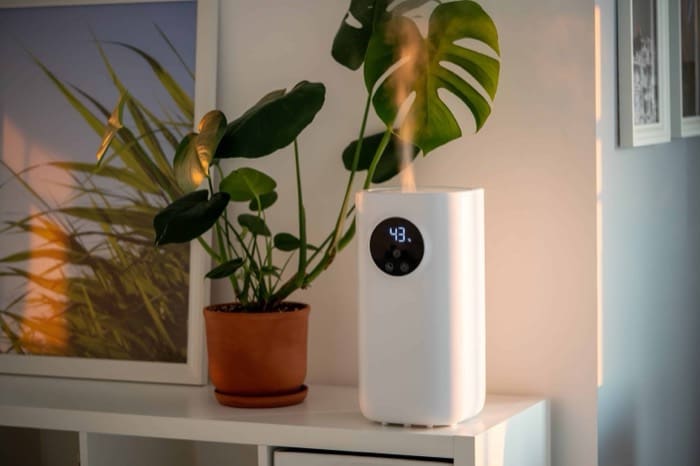
Here's the hero of the damp story: the electric dehumidifier. Discreet but formidable, it absorbs moisture continuously and regulates the humidity of your interior. Ideal for very damp rooms such as the bathroom, the utility room or the cellar.
Worth knowing: there are also natural dehumidifiers based on salt or activated charcoal. Less powerful, but perfect for small spaces.
Tip 3: Avoid needless sources of damp
Sometimes we're the ones inviting the damp in without meaning to. Here are a few habits to avoid:
- Drying laundry indoors (your living room is not a launderette),
- Taking long, scalding showers with no ventilation,
- Cooking without an extractor hood or without opening the windows.
Every little habit counts when it comes to keeping humidity at a healthy level!
Tip 4: Put your faith in moisture-absorbing plants

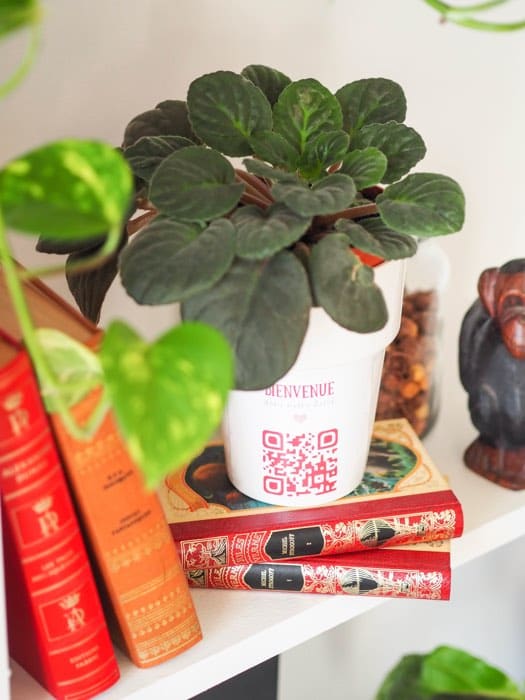
What if nature lent you a hand? Some houseplants have a little superpower: they absorb ambient moisture. Among them:
- Ivy,
- The Boston fern,
- The spathiphyllum (or peace lily),
- Tillandsia.
Bonus: as well as regulating humidity, they add an elegant touch to your interior.
Tip 5: Look after your ventilation

A clogged-up mechanical ventilation system is like an umbrella full of holes. Remember to clean the air vents regularly, and if you don't have a ventilation system, fit one if you can. It makes an enormous difference, especially in older properties.
Here are the five habits side by side, with the room where each one really makes a difference.
| Habit | Where it works | Good to know |
|---|---|---|
| Air out for 10 minutes a day | Every room, even at -2°C | Open two opposite windows: cross-ventilation clears the air faster |
| Electric dehumidifier | Bathroom, laundry room, cellar | Absorbs continuously and regulates humidity levels |
| Salt or activated-charcoal absorber | Small spaces | Less powerful than an electric unit |
| Cut the needless sources | Laundry, shower, kitchen | No drying indoors, no scalding showers, no cooking without an extractor |
| Moisture-absorbing plants | Living areas | Ivy, Boston fern, peace lily, tillandsia: no substitute for airing out |
| Ventilation upkeep | Older homes above all | Clean the air vents; a clogged mechanical system does nothing |
What you should absolutely avoid
Don't try to mask damp with scented candles or sprays: it solves nothing and it pollutes the air.
Painting over mould patches without treating the cause is like sticking a plaster over a water leak.
Dehumidifying is hardly rocket science! By combining a few good habits and keeping an eye on the humidity in your home, you can say goodbye to clammy walls and unpleasant smells. And above all, your health and your comfort will thank you for it.
In the middle of doing up your place? Have a quick read of our article on how to lay out your entrance hall: tips for a warm welcome
Frequently asked questions
At what humidity level should I start worrying? Above 60%, indoor air becomes a comfortable home for mould, allergies and breathing problems. Materials suffer too: paint blisters, wood swells, and the air feels heavy all day long. That is the point where you act, rather than opening a window now and then.
How long should I air out the place each day? Ten minutes a day is enough to renew the air, winter included, even when it is -2°C outside. Open two windows facing each other: cross ventilation clears the moisture far faster than one window left ajar. Keeping everything shut to hold on to the heat means holding on to the damp as well.
Are plants enough to bring humidity down? Ivy, Boston fern, peace lily and tillandsia do absorb part of the ambient moisture, and they look good doing it. They are no substitute for daily airing or a ventilation system in working order. If your walls are sweating, a fern will not fix it.
Electric dehumidifier or salt absorber? The electric one runs continuously and regulates the humidity level: that is what a bathroom, a laundry room or a cellar needs. Natural models, based on salt or activated charcoal, are weaker but do the job in a small enclosed space. The choice comes down to the volume you need to treat.
Can I dry laundry indoors? Better not: all the water in the laundry ends up in the air of the room. Same logic for long, scalding showers with no ventilation, and for cooking with no extractor hood and no open window. If you have no choice, air the room while the laundry dries and afterwards.
Can I just paint over mould stains? No, not while the cause is still there: the stain will come back through the paint. It is the same reflex as scented candles and sprays, which hide the smell, pollute the air and solve nothing. Find where the moisture comes from first, then pick up the brush.
On the same topic