
Child safety in your rental
Stair gates, socket covers, pools, the details to write into your welcome book: what to install to host families, and what the law actually requires.
A family looking for a rental doesn't read your listing the way a couple does. They're looking for clues: is there a travel cot, is the staircase protected, is the pool enclosed. Those answers often settle the booking before price even comes into it.
And yet plenty of properties are safe without saying so. The equipment is there, in a cupboard, but nothing points to it. That's a shame, because making a rental safe for children rarely calls for building work: it's mostly a matter of simple kit and information written in the right place.
What parents look at before booking

A parent booking with a two-year-old asks three questions, in this order: where will they sleep, where could they fall, and what can they get hold of. Everything else comes afterwards.
Answering those three questions in your listing, then setting them out in detail in your welcome book, changes the nature of the booking. You're no longer just selling accommodation: you're selling the fact that the parents won't have to keep watch every minute.
The very young: where it all happens
Under the age of two, the danger is almost never the one you'd imagine. It isn't sharp objects, it's the sockets, the cleaning products left under the sink and the furniture that tips over.
Four items cover the essentials, and cost less than one night's stay:
- socket covers on every reachable socket, including the ones hidden behind a sofa;
- a cupboard catch on the unit holding the cleaning products, or better still: move them up high;
- anti-tip straps on tall furniture, particularly chests of drawers and bookcases;
- corner protectors on the coffee table, the one every child in the world bumps into.
The travel cot deserves a mention of its own. Plenty of hosts have one but leave it at the back of a cupboard without saying so. A travel cot mentioned in the listing title wins bookings; the same cot stored away unmentioned wins none.
Children who walk, and who climb

Past the age of two, the issue becomes the stairs, the windows and the balcony. A gate at the top and bottom of the staircase settles the first point. For windows, a restrictor is enough, provided it's fitted on the upper floors: on the ground floor it gets in the way more than it protects.
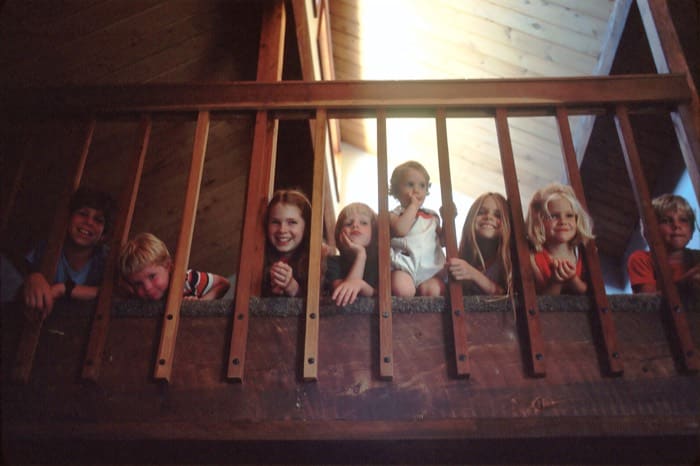
The balcony needs a closer look. Check that no piece of furniture makes it possible to climb onto the railing, and that the gaps between the balusters are too narrow for a head to pass through. A chair moved on a summer evening is all it takes to turn a safe balcony into a dangerous one.
In the kitchen, two steps are enough: knives out of reach and a hob with lockable controls, or failing that a cover. As for the cleaning products, move them up high once and for all.
The danger changes with the child’s age: this table sums up, for each stage, what to watch for and what fixes it.
| Age | What creates the danger | What fixes it |
|---|---|---|
| Under 2 | Accessible power outlets | Outlet covers, including behind a sofa |
| Under 2 | Cleaning products under the sink | Cabinet lock, or store products up high |
| Under 2 | Tall furniture that can tip over | Anti-tip straps |
| Under 2 | Coffee table corners | Corner protectors |
| From age 2 | Stairs | Gate at the top and bottom |
| From age 2 | Upstairs windows | Window restrictor |
| From age 2 | Balcony | Check furniture and the gap between railings |
| From age 2 | Kitchen | Knives out of reach, hob locked |
The pool, where the law makes no allowances
If your property has an in-ground or partly in-ground pool, it must be fitted with an approved safety device: a fence, an alarm, a cover or an enclosure. This isn't a recommendation, it's a legal requirement in France, and it applies to holiday rentals just as it does to private homes.
The device has to be in working order, not merely present. An alarm unplugged because of false alerts protects you neither legally nor in human terms. Check it between stays, just as you would the cleaning.
What needs to be written down, not just installed
This is the point most hosts overlook. A piece of safety equipment the guest can't find is no use at all, and a hazard only you know about remains a hazard.
Three things deserve to be set down in black and white in your welcome book:
- where the equipment is: the travel cot in the bedroom cupboard, the stair gate behind the door;
- what calls for particular care: a step higher than the others, a floor that gets slippery after a shower, a pond at the bottom of the garden;
- the useful numbers: 15, 112, and the nearest pharmacist or doctor with their opening hours.
This information has no place in a message sent the day before, where it gets lost. It needs to stay available throughout the stay, at the moment the parent needs it, which is rarely at check-in.
The kit that makes the difference on a listing
Beyond safety as such, a few items carry real weight in a family's decision: a highchair, a baby bath, a booster seat, a bottle warmer. They cost little and save parents loading up the car.
On the platforms, these items are filterable. A family ticking "baby equipment" will never see your listing if you haven't declared them, even if you have them at home. Take ten minutes to check your amenities list: it's probably the best hourly return of your season.
And once the equipment is declared, say where it is. A welcome book that answers "where's the highchair" before the question is asked means an evening without a message, and a review that opens with "everything had been thought of".
To go further on welcoming the very young, we've devoted an article to the equipment to provide for babies.
Frequently asked questions
What does the law require if my rental has a pool? If the pool is in-ground or partly in-ground, it must have an approved safety device: a fence, an alarm, a cover or an enclosure. In France this is a legal obligation, and it applies to holiday rentals exactly as it does to private homes. The device must also be in working order, not simply present: an alarm unplugged because of false alerts protects nobody. Check it between two stays, just like the cleaning.
I have a travel cot. Do I really need to mention it in the listing? Yes, and in the title if you can. A travel cot that is advertised wins bookings; the same cot sitting at the back of a cupboard wins none. Once it is listed, say in your welcome book exactly where it is stored.
Where do I start to make a place safe for toddlers? Four items cover most of it and cost less than one night’s stay: socket covers on every reachable socket, including the ones hidden behind a sofa, a cupboard latch on the cleaning products, anti-tip straps on tall furniture, and corner protectors on the coffee table. Before the age of two, the danger comes from sockets, cleaning products and furniture that tips over, not from sharp objects. For the cleaning products, the simplest fix is to move them up high.
Should every window be fitted with a restrictor? Window restrictors belong upstairs. On the ground floor they get in the way more than they protect. On a balcony, the real checks are that no piece of furniture lets a child climb onto the railing and that the gaps between the bars are too narrow for a head to pass: one chair moved on a summer evening is enough to change everything.
Can I just send the safety instructions by message the day before arrival? They get lost there. A parent needs them during the stay, rarely on arrival day, so the information has to stay available from the first day to the last. Write down in your welcome book where the equipment is kept, what calls for extra care, such as a step higher than the others or a pond at the end of the garden, and the useful numbers: 15, 112 and the nearest doctor or pharmacy with opening hours.