

Damage in my rental: what should I do?
Find out what options are open to you when something goes wrong in your rental.
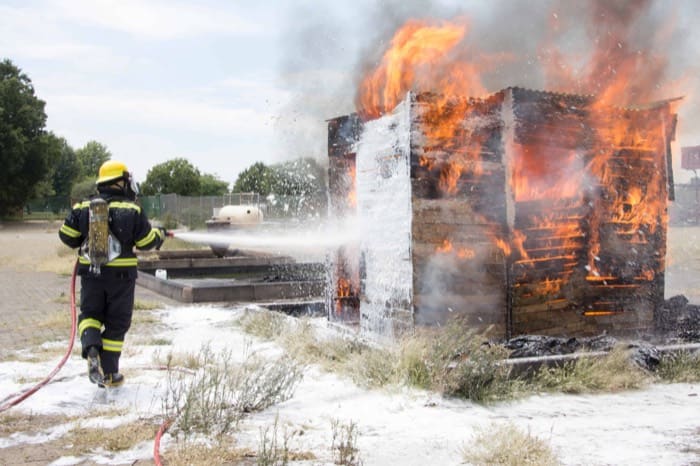
Fires, water damage... These mishaps can happen during a rental stay. So how should you react when something goes wrong?

Check your insurance policy
As the owner, you should normally be covered by comprehensive home insurance including holiday letting cover. This type of policy contains one of two clauses: waiver of recourse or renunciation of recourse.
These clauses set out whether or not the owner, and therefore the insurer, may claim payment from the holidaymaker.
Do you care about your rental and your customers? Choose comprehensive home insurance with a waiver of recourse. It is the only way for the holidaymaker to be covered for public liability, fire and water damage.

For tenants
If you had tenants in the property when the damage occurred, it is up to them to claim on their own comprehensive home insurance. Their policy will include what is known as a "holiday letting" clause covering rental stays.
You can check with your tenant beforehand whether this clause appears in their policy. Bear in mind that if it is missing, the tenant can take out temporary home insurance (1 to 90 days) covering them for the duration of their stay. It works like a comprehensive policy and costs very little.
Have you ever had to deal with a situation like this? If the subject interests you, we also have an article on the partnership between Luko and Airbnb.
Two main clauses structure your coverage: one protects you, the other exposes the guest. Here's how to tell them apart and choose.
| Contract clause | Owner protection | Guest protection | Choose if… |
|---|---|---|---|
| Waiver of recourse | Covered by your insurer, no claim against the guest | Covered for liability, fire and water damage | You value your guests and your property |
| Waiver of subrogation | Covered by your insurer per the clause | Not covered; the guest must claim | You want the guest to bear responsibility |
| Guest temporary insurance | Not applicable: the guest's insurance applies | Covers liability, fire and water damage for 1 to 90 days | The guest lacks the holiday clause in their policy |
Frequently asked questions
Who pays for the damage, me or my guest? It depends on the clause written into your comprehensive home insurance policy. That clause decides whether you, and therefore your insurer, can claim payment from the holidaymaker after an incident. Read it before the season starts, not on the day the boiler leaks.
Waiver of recourse or renunciation of recourse: which one should I take? These are the two clauses your holiday-let home insurance policy may contain. If you care about your property and about your guests, go for the waiver of recourse. It is the only way for the holidaymaker to be covered for third-party liability, fire and water damage.
Who reports the incident when guests are staying? If tenants were in the property when it happened, it is up to them to call on their own comprehensive home insurance. The clause that applies to rentals is the one known as the villégiature clause in their policy. On your side, your own holiday-let policy remains your safety net.
My guest has no villégiature clause, how can I get them covered? They can take out temporary home insurance, from one to ninety days, covering them for the length of their stay. It works like a comprehensive home policy and costs very little. It is the simplest answer to give a guest who spots the gap in their contract three days before arriving.
Can I check the guest's insurance before they arrive? Yes, and that is the right moment to do it. Ask your tenant whether the villégiature clause really appears in their comprehensive home policy. If something is missing, they still have time to take out temporary cover before the stay.
On the same topic