
Ivy: a natural insulator with plenty going for it
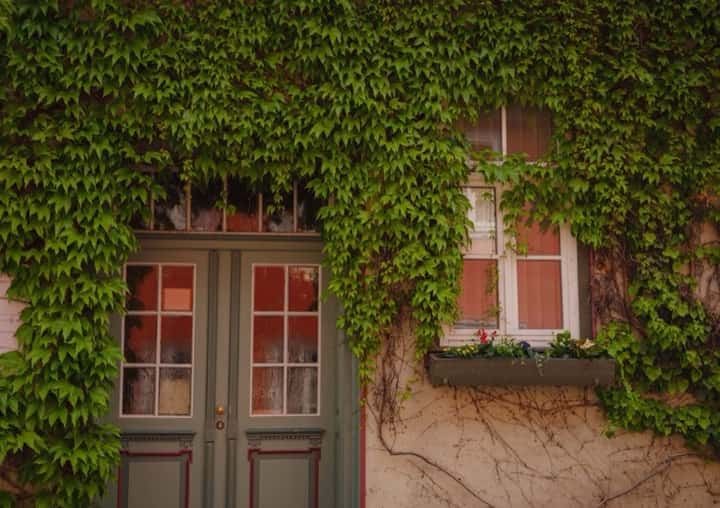
What if your wall turned green... and clever with it? No, we're not talking about technology, but about ivy, that climbing plant so often unloved, yet blessed with unsuspected natural insulating properties. As well as looking good, it can play a genuine part in saving energy. So how do you make the most of it without your house ending up looking like an ancient ruin? Here's everything you need to know.
Ivy, a natural insulator that grows all by itself (well, almost)
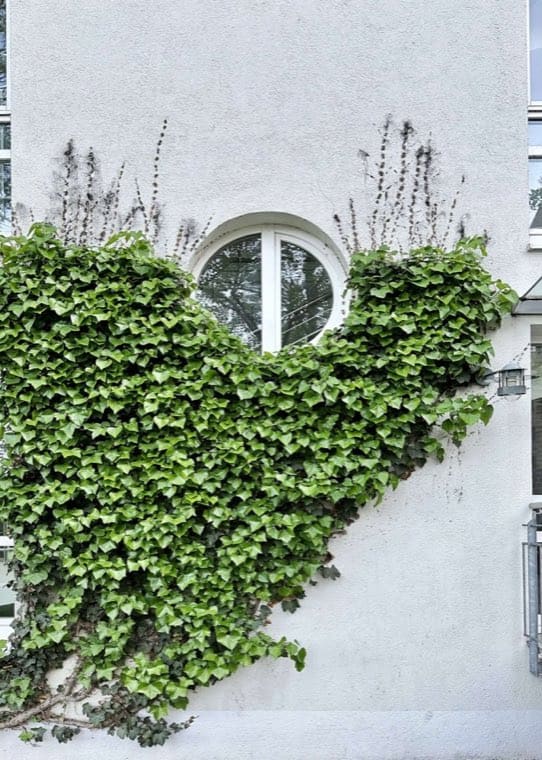
The magic of ivy is that it needs neither an automatic watering system nor a degree in thermal engineering. Once it has taken root, it looks after itself. But make no mistake: behind its wild appearance, ivy is a real thermal ally.
In summer, it creates natural shade and limits the heat absorbed by your walls, acting like a green air conditioner.
In winter, it forms a barrier against wind and heat loss.
The result? Lower heating and air conditioning needs, and therefore genuine energy savings
How do you make it work without turning your house into a jungle?
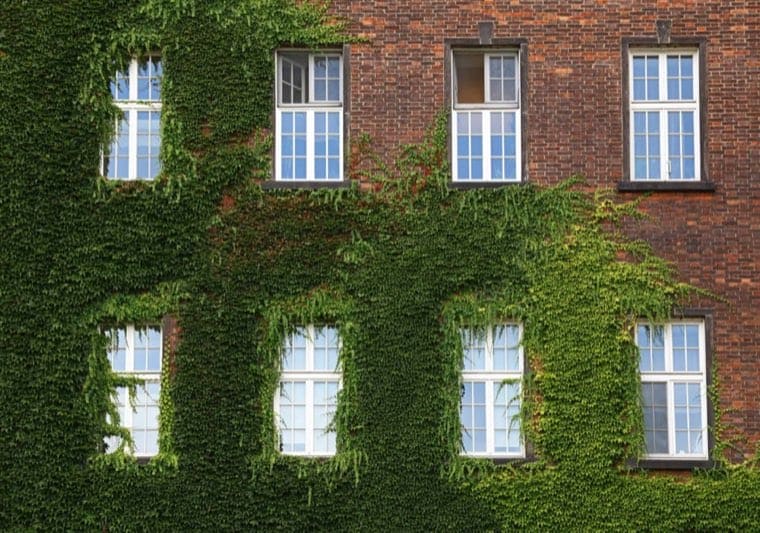
Yes, ivy climbs, it clings... and sometimes it works its way in. But don't panic: you can absolutely set boundaries for it.
Use a trellis or a free-standing structure
Don't let ivy attach itself directly to your façade. Fit a wooden or metal trellis 10 to 15 cm away from the wall. This lets air circulate and protects the materials. It also makes maintenance far easier!
Keep an eye on it, like a pet
A quick going-over with the secateurs twice a year and ivy stays exactly where you want it. Prune it back so it doesn't climb onto the roof or block the gutters.
Check the condition of the wall
Before letting your ivy spread, make sure your walls are sound and free of cracks. Otherwise it could work its way in, and there go your savings!
An eco-friendly, money-saving choice

Alongside its insulating power, ivy is good for biodiversity: it attracts pollinating insects and provides shelter for birds. And what do you get out of it? A green façade, natural thermal comfort and a healthy cut in your energy bills. Quite the winning combination, isn't it?
Before the summary, here is what ivy actually delivers, item by item, and what it asks for in return.
| Item | What ivy brings | What it requires |
|---|---|---|
| Summer | Natural shade, less heat absorbed by the walls | Regular pruning, nothing more |
| Winter | A barrier against wind and heat loss | Keeping it off the roof and the gutters |
| Installation | A wooden or metal trellis 10-15 cm off the wall | Letting air circulate behind the foliage |
| Upkeep | The ivy stays where you put it | Two rounds with the shears a year |
| Wall condition | On a sound wall, it does not work its way in | Checking for cracks before planting |
| Biodiversity | Pollinating insects drawn in, birds sheltered | Nothing in particular |
| Energy bill | Less heating and less air conditioning | Accepting that it replaces no real insulation |
In short
- An effective natural insulator, in winter and in summer
- Easy to install with a trellis
- Eco-friendly, attractive and economical
- Light but regular maintenance required
Want to know more about insulation? Take a look at our article on 10 tips for insulating your home without any building work!
Frequently asked questions
Does ivy damage walls? On a sound wall, it stays where you put it. The trouble starts with façades that are already cracked: ivy works its way in and makes the problem worse. Check the state of the wall before you let it settle in, not once it covers three storeys.
Should ivy grow straight onto the façade? No. Fit a wooden or metal trellis 10 to 15 cm away from the wall so air can move behind the foliage. The materials stay dry and pruning becomes far easier.
How often does ivy need pruning? Twice a year with the secateurs is enough. The point is to stop it climbing onto the roof and blocking the gutters. The upkeep is light, but it is not optional.
Does ivy insulate in winter or only in summer? Both, in two different ways. In summer, the foliage shades the wall and limits the heat it absorbs. In winter, it blocks the wind and slows down heat loss.
Does it replace proper insulation? No, and it is better to know that before planting. Ivy cuts your heating and cooling needs, it does not fix a poorly insulated wall. Take it for what it is: a good looking, low cost addition, not one less job on the list.
Does ivy attract wildlife? Yes, and that is rather good news. It draws pollinating insects and shelters birds, so it keeps a small patch of biodiversity alive against your wall. A wall that sings in spring is easy enough to live with.
On the same topic