
Summer 2024 in review: the Olympic Games and what comes next
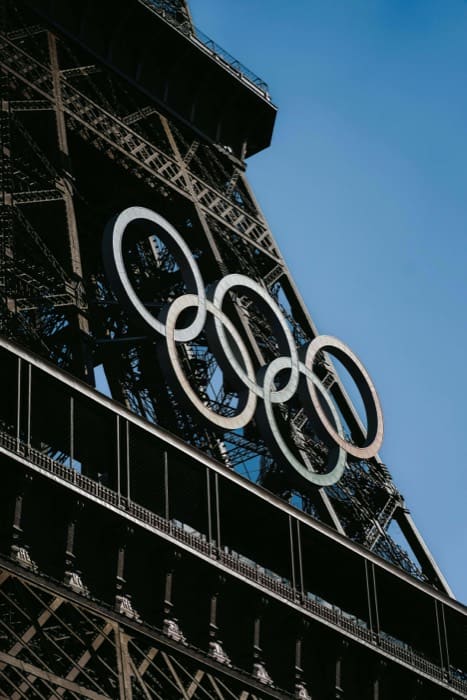
Summer 2024 will be remembered not only for the splendour of the Olympic Games but also for its varied knock-on effects on tourism. While some feared occupancy rates would fall because of the congestion everyone was anticipating, the results are far more nuanced...
A record summer? A look at occupancy rates

Although the summer was far from disastrous, bookings were nonetheless down across the board at national level. According to INSEE, France recorded more than 2.2 million fewer overnight stays booked than in 2023.
Restaurant owners also report lower turnover than in previous summers, in a season when they had expected the Games to push footfall up.
An uneven impact on visitor numbers
Contrary to expectations, the Olympic Games did not put tourists off: they simply reshuffled the deck. Hotels close to the Olympic venues saw their booking rates soar, making the most of the influx of spectators and participants.
Outlying areas, on the other hand, widely feared to be hard to reach during the Games, saw a slight dip in visitor numbers.
Hotels and alternative accommodation: winners all round?
Properties offering a local, immersive experience without sitting too close to the disrupted zones came out on top.
Holiday rentals and small boutique hotels enjoyed renewed interest from people looking to avoid the Olympic bustle, proving that variety goes hand in hand with opportunity.
Looked at closely, summer 2024 was not a single curve: here is what each type of operator actually recorded.
| Operator or area | Effect recorded in summer 2024 | What explains it |
|---|---|---|
| Hotels near the Olympic venues | Bookings up sharply | Influx of spectators and participants |
| Outlying areas | Slight drop in visitor numbers | Access difficulties feared during the Games |
| Holiday rentals and small boutique hotels | Renewed interest | Local immersion away from the Olympic bustle |
| Restaurant owners | Turnover below previous summers | The expected Games-driven boost never came |
| France, all destinations | Over 2.2 million fewer nights booked than in 2023 | A general drop in bookings recorded by INSEE |
| After the Games | Visitor numbers levelling off, or falling | Commercial strategies need adjusting fast |
Post-Games challenges and opportunities: between satisfaction and frustration

Managing the post-Olympic "blues"
After such a mixed picture, the question of the post-Games period remains. Occupancy rates are settling back down, and in some places falling, which calls for quick, effective changes to marketing strategies.
Tourism professionals must therefore redouble their efforts to turn short-lived interest into long-term loyalty.
Infrastructure in the spotlight
The infrastructure improvements made for the Games benefited not only the athletes but tourists too.
However, maintaining these new facilities comes at a significant cost for local communities, which underlines the importance of long-term planning. It now has to be factored into budgets that are sometimes already stretched. The Olympic Games were undeniably a moment in the spotlight for France. A great deal was expected of them, as with any major event. The outcome may not have lived up to everyone's hopes, but it can hardly be called a disaster either. The challenge now is to sustain the enthusiasm for France that was sparked this summer, to make the most of it and turn it into something positive and lasting for the tourism sector over the long term.
Frequently asked questions
Did the Olympic Games reduce tourist numbers in France? Nationally, yes. INSEE recorded more than 2.2 million fewer booked overnight stays than in 2023. That drop is nowhere near the disaster scenario predicted before the summer, but it rules out the idea of a record season.
Which properties gained from the Games, and which lost out? Hotels close to the Olympic venues saw bookings surge, driven by spectators and participants. Outlying areas, seen as hard to reach during the event, recorded a slight decline instead. The Games did not keep travellers away, they moved them.
Did restaurant owners earn more during the Games? No. They expected the event to lift footfall and report lower turnover than in previous summers. The gap between forecast and reality was one of the season's disappointments.
Did holiday rentals do better than hotels? Holiday rentals and small character hotels enjoyed renewed interest, especially those offering a local experience without sitting next to the disrupted areas. Travellers who wanted to avoid the Olympic bustle turned to them. Being away from the noise became a selling point.
What happens to occupancy once the Games are over? It returns to normal, and in places it falls. The challenge for the industry is turning the short lived interest created by the event into guests who come back. That means adjusting commercial strategy quickly rather than hoping the spotlight lasts on its own.
Do the venues built for the Games really benefit tourism? They served the athletes and then the visitors, which is the good part. Maintaining them, however, is a lasting cost for local communities, on budgets that are sometimes already tight. Without long term planning, the legacy becomes a burden.
On the same topic