

Hotels: the importance of a good dining service
Find out why a dining service matters so much, and how to choose the right one!
Life in hotels: the dream for so many people! But what would a good hotel be without a first-class dining service? We break down the benefits for you, and how to create one that reflects who you are.

For your customers
For many people, staying in a hotel means complete relaxation. And relaxation means no laundry, no cleaning and no cooking. So the first benefit for your customers is being able to unwind as much as possible. With breakfast on site and the option of coming back late in the evening, after exploring the area, and sitting down to a meal before heading up to their room, the stay becomes magical!
Offering a dining service in the evening is also one less worry for your customers: no need for cash, everything goes on the bill, no need to hunt down a restaurant on the other side of town, and the chance to rest a little longer...
Lastly, it is one more pleasure for them! Not only do they enjoy a few nights with you, but you also serve them the very best of your local culinary heritage. What more could they ask for?

For you
The benefits for hotels of running an efficient and delicious dining service are many:
- You gain more visibility: on social media, for example
- You earn more money, because your customers spend it with you
- Diners may come to you for a meal and, in doing so, discover your hotel and come back to stay
Finally, one last benefit not to be overlooked is reputation: if you have a good instinct and unearth a talented chef, your hotel is bound to gain from it! You immediately think of Le Meurice with chef Alain Ducasse, Eric Fréchon at Le Bristol or La Rotonde with chef Aurélien Largeau.
Of course, there is no need to start out with a big-name chef, but bear in mind that good food will always get people talking about you!

Where to start
First of all, ask yourself a few simple questions:
- Who is my target audience?
- What do I want to offer: breakfast, lunch, dinner?
- How? In the room and in a dining room, or only one of the two?
- What style of cooking? Regional or international?
Once you have those answers, start looking for a chef and a kitchen brigade. That search will depend on the style of cooking you want. If your customers are looking for authenticity, go for seasonal, regional cooking; if you welcome lots of children and families, opt for something more international.
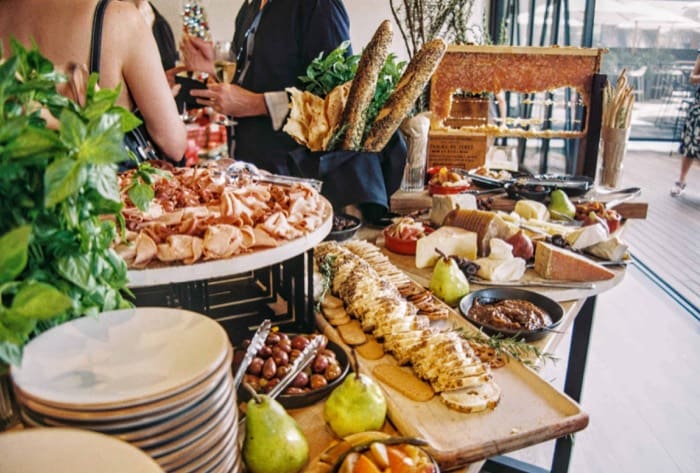
You can even offer several menus! For example, a "quick bite" menu at lunchtime and a more gastronomic menu, focused on your region, in the evening. That way you can meet the needs of your resident guests as well as customers from outside.
What about you? What dining service do you offer? And if you are also wondering what kind of furniture to buy, we have the answer!
Four questions to settle before anything else, and what each answer commits you to:
| Question to ask yourself | The options | What the answer decides |
|---|---|---|
| Who are my guests? | Guests looking for authenticity, families with children | The style of cooking to serve |
| What do I want to offer? | Breakfast, lunch, dinner | How much service you have to keep up |
| How? | In the room, in the dining room, or both | How service is organised day to day |
| What style of cooking? | Seasonal and regional, or international | The chef and brigade to recruit |
| How many menus? | Just one, or a quick lunch menu and a fine-dining menu in the evening | Residents only, or outside diners too |
Frequently asked questions
Does a small hotel really need a restaurant? There is no need to start out with a famous chef. Good cooking is enough to get people talking about you, and simply being able to eat on site after a day out changes the whole stay. Start with what you can serve every single evening, not with the menu you dream of.
Should I serve dinner or stick to breakfast? An evening service removes one worry for your guests: no hunting for a restaurant on the other side of town, and no cash to get out since everything goes on the bill. It also lets them come back late, sit down to a meal and go up to their room without thinking about it. If you can only run one service, dinner is the one that weighs most on the comfort of the stay.
Local cooking or an international menu? Look at who actually sleeps in your rooms. Guests looking for authenticity are best served by seasonal, regional cooking; families with children are more at ease with an international menu. Settle this question before you look for a chef, because it is what shapes the hiring.
How do I go about hiring a chef and a kitchen team? The search comes after the answers, not before: you hire according to the type of cooking you have chosen. If you have a good nose and find real talent, the hotel's reputation follows, as at Le Meurice with Alain Ducasse or Le Bristol with Eric Fréchon. And a kitchen without a famous name gets talked about perfectly well on its own.
Can I open the dining room to outside customers and run two menus? Yes, and that is part of the point: people come to eat, discover the hotel and book a room later. A quick lunch menu and a more gastronomic, regionally minded menu in the evening cover two different needs. That way you serve both your resident guests and passing customers.
On the same topic