
Supplementary accommodation in Switzerland is booming
- 1What is supplementary accommodation in Switzerland?
- 2The key figures behind the rise in overnight stays
- 3Why such strong growth?
- 4What does this mean for Swiss tourism?
- 5Supplementary accommodation vs hotels: rivals or partners?
- 6A lasting trend?
- 7Tips for making the most of supplementary accommodation in Switzerland
- 8Conclusion: a new way of travelling
- 9Frequently asked questions
Good news for Swiss tourism: supplementary accommodation is thriving! After a few uncertain years, the sector is now posting a notable rise in overnight stays, proof that guests have rediscovered their appetite for getting away… and for slightly more authentic stays.
Holiday flats, campsites, youth hostels and bed and breakfasts are winning over more and more people. And let us be honest: faced with a choice between a standard hotel and a small chalet with a mountain view, most of us do not hesitate for long.
What is supplementary accommodation in Switzerland?
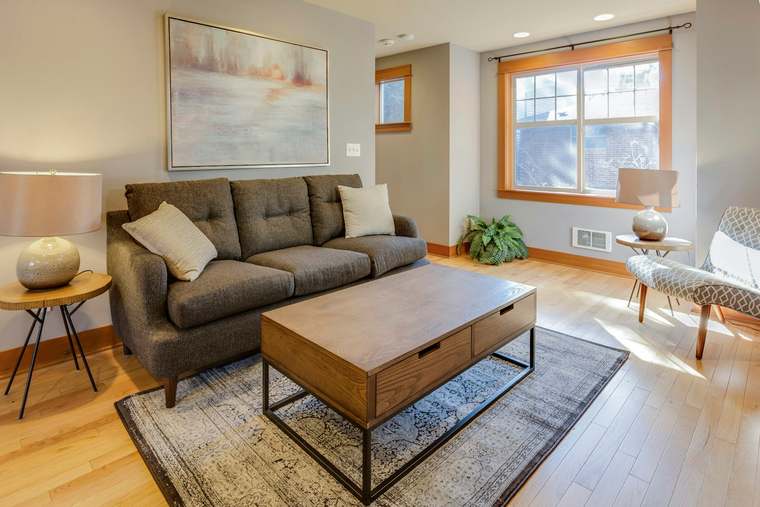
Supplementary accommodation covers every form of tourist accommodation that falls outside traditional hotels. That includes:
- Holiday flats and houses
- Campsites
- Youth hostels
- Properties listed on platforms such as Airbnb
In other words, it is a more flexible offering, often more affordable and, above all, much closer to what guests are looking for today.
The key figures behind the rise in overnight stays
Let us get straight to the point. Recent figures confirm solid growth in Swiss supplementary accommodation.
In the third quarter, the sector recorded a rise of around 6% in overnight stays compared with the previous year. That amounts to several million additional overnight stays, a sign of genuine enthusiasm.
Here are the standout points:
- Total overnight stays in supplementary accommodation now exceed pre-pandemic levels
- Holiday flats remain the dominant segment
- Campsites are growing steadily, particularly in summer
- Youth hostels are attracting a younger, more international clientele
- The share of Swiss holidaymakers remains high, but overseas visitors are rising sharply
In short, the growth is both quantitative and qualitative. The sector is not simply bouncing back: it is evolving.
Not every segment is growing at the same pace: here is what the overnight stays show, accommodation type by accommodation type.
| Segment | What the overnight stays show | Key takeaway |
|---|---|---|
| Non-hotel accommodation overall | Up around 6% in the third quarter | Several million additional overnight stays |
| Holiday apartments | The leading segment | Longer stays, with family or friends |
| Campsites | Steady growth | Above all in summer |
| Youth hostels | Rising occupancy | A younger, more international clientele |
| Swiss guests | A high share | Driven by domestic tourism |
| Foreign visitors | Clearly on the rise | International travel is back |
| Pre-pandemic level | Now exceeded | The sector is no longer rebounding, it is evolving |
Why such strong growth?
A search for freedom
First of all, guests want more independence. Supplementary accommodation lets them live at their own pace, with no constraints.
You cook when you like, you arrive when you can… in a word, you breathe.
The boom in domestic tourism
Domestic tourism also plays a key role. The Swiss are rediscovering their own country, and quite rightly so.
With its lakes, mountains and charming villages, Switzerland is an exceptional playground.
The effect of digital platforms
Platforms such as Airbnb have transformed access to these properties.
Today:
Accommodation is now booked in a few clicks, the choice is wide and varied, and prices are often competitive.
A quest for authenticity
Finally, guests are looking for unique experiences. Sleeping in a chalet, on a farm or at a campsite in the middle of nature means living something different.
And that is priceless (well… almost).
What does this mean for Swiss tourism?
A more diverse offering
The rise in overnight stays is pushing the industry to innovate. Regions are developing new types of accommodation and making themselves more appealing.
The result: a richer choice for visitors.
A boost for the local economy
Supplementary accommodation benefits local economies directly:
Owners earn income, local businesses see more trade, and jobs are created on the spot.
It is a genuine economic driver.
Challenges to address
That said, this growth also raises questions:
In some regions it puts pressure on housing, it raises the risk of overtourism, and it brings environmental concerns that cannot be put off.
In other words, the right balance has to be found.
Supplementary accommodation vs hotels: rivals or partners?
Supplementary accommodation is not replacing hotels. It complements them.
Hotels remain the preferred option for short or business trips, while supplementary accommodation wins on longer stays, with family or friends.
Ultimately, everyone wins.
A lasting trend?
Everything suggests it is.
Travel habits are changing. Visitors want more freedom, more nature and more authenticity. And supplementary accommodation ticks every one of those boxes.
What is more, the sector continues to organise and professionalise itself.
Tips for making the most of supplementary accommodation in Switzerland
Here are a few simple pointers:
- Book early, especially in high season
- Compare what is on offer
- Read the reviews
- Explore lesser-known regions
And above all… let yourself be surprised.
Conclusion: a new way of travelling
The rise in overnight stays in Swiss supplementary accommodation reflects a deep shift in tourism. The figures speak for themselves: with growth of around 6% and a return to above pre-pandemic levels, the sector is in fine form.
But beyond the statistics, a new way of travelling is taking hold. Freer, more human, closer to nature.
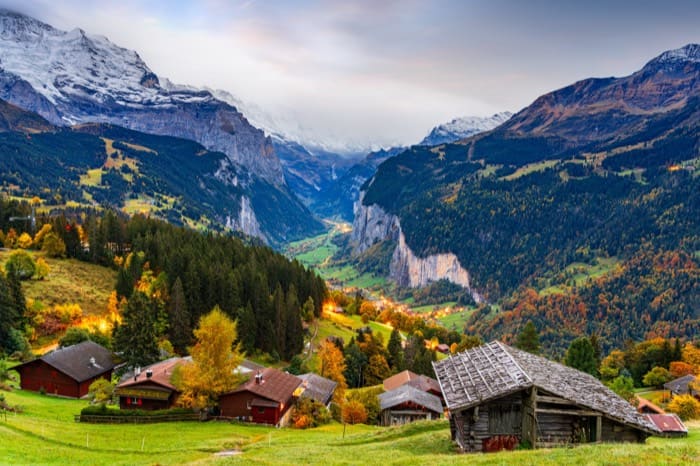
And if you still need a reason to give it a try… just picture yourself with a hot coffee looking out over the Alps. There you go, you are already there
Frequently asked questions
What exactly counts as supplementary accommodation? It covers every type of tourist accommodation that falls outside traditional hotels: holiday flats and houses, campsites, youth hostels, and properties listed on platforms such as Airbnb. What they share is a more flexible offer, often more affordable, and closer to what travellers are looking for today.
How much did overnight stays actually grow? In the third quarter, Swiss supplementary accommodation recorded a rise of around 6% in overnight stays compared with the previous year, which represents several million extra nights. The sector is now above its pre-pandemic levels.
Which type of accommodation is driving the growth? Holiday flats remain the leading segment. Campsites keep growing, particularly in summer, and youth hostels attract a younger, more international crowd. Swiss guests still account for a large share, but foreign visitors are rising sharply.
Is supplementary accommodation going to replace hotels? No. Hotels keep the advantage for short stays and business travel, while supplementary accommodation wins on longer stays, with family or friends. The two offers complement each other more than they compete.
Does this growth create problems? Yes, and they will not sort themselves out. In some regions it puts pressure on the housing market, the risk of overtourism is real, and the environmental question is on the table. The challenge is to keep the balance between tourism growth and local life.
How do I book without any nasty surprises? Book early, especially in high season, compare offers and read the reviews before you confirm. And look at the less well known regions: availability is usually better there.
On the same topic